Balanced Body vs Merrithew: Which Reformer Should Your Studio Buy?
If you’re outfitting a studio, you’ve narrowed it down to the two names everyone knows: Balanced Body and Merrithew. Both are established, both have decades of institutional trust, and both cost real money. The honest answer is that neither is objectively better — they’re different ecosystems, and the right choice depends on your training method, your budget, and how much local support you actually get.
This guide compares them on the things that matter to a studio owner: price, build quality, the training ecosystem, and what happens after the sale.
The Two Companies in One Paragraph Each
Balanced Body is an American company (Sacramento, California) that’s been building reformers since the 1970s. Its lineup runs from the Allegro — the aluminum-framed workhorse found in thousands of studios — up to the Studio Reformer and Contemporary, with a full education arm (Balanced Body Education) and a huge installed base. It’s the default choice for many boutique studios in North America and increasingly in Europe.
Merrithew is the Canadian company behind STOTT PILATES, one of the most recognized training certifications in the world. Its reformers — the V2 Max Plus, V2 Max, and the budget SPX — are built for training academies and studios that run STOTT programming. Merrithew’s real moat isn’t the hardware; it’s the certification ecosystem. Thousands of instructors train on Merrithew equipment because they were certified on it, and they want the same machines in their own studios.
Both companies sell in Europe through distributors and direct channels, and both carry the CE marking and EN ISO 20957 compliance you need for EU studios — we covered what that certification actually requires in our CE certification guide.
Head-to-Head: What You’re Actually Comparing
| Factor | Balanced Body | Merrithew (STOTT) |
|---|---|---|
| Flagship studio models | Studio Reformer, Contemporary, Allegro 2 | V2 Max Plus, V2 Max, SPX |
| Frame materials | Aluminum (Allegro), wood, steel | Steel and aluminum mix |
| Training ecosystem | Balanced Body Education (large, method-agnostic) | STOTT PILATES certification (method-specific, globally recognized) |
| Typical price (studio model, EU) | €3,500-€7,000 | €3,000-€6,500 |
| Spring system | Coil springs, color-coded | Coil springs, color-coded |
| Tower compatibility | Yes (Studio Reformer + Tower) | Yes (V2 Max + Tower) |
| Spare parts in Europe | Via distributors | Via distributors |
| Warranty (typical) | 2-5 years depending on model | 2-5 years depending on model |
Prices vary with configuration, distributor, and VAT, so treat those ranges as planning numbers, not quotes. The point of the table isn’t the exact figures — it’s that on hardware alone, these two are much closer than their marketing suggests.
The Real Difference: The Ecosystem, Not the Machine
Here’s the part most comparison articles miss. A reformer is a durable asset — a good one lasts 15-20 years, which we broke down in our used vs new guide. Over that lifespan, the machine is a small part of your relationship with the brand. The ecosystem is the big part.
If you run STOTT programming, Merrithew is the coherent choice. Your instructors were likely trained in the STOTT method, the equipment is what they know, and the certification continuity matters for marketing (“we teach STOTT PILATES”). Buying a different brand of reformer while claiming STOTT certification is possible, but it creates friction with clients who know the brand.
If you teach classical or contemporary Pilates without a single-method allegiance, Balanced Body has the edge in flexibility. BB’s education arm certifies in multiple approaches, and its equipment is method-agnostic — you can run classical, contemporary, or hybrid programming on the same machine.
That’s the strategic question to answer first: what method are you selling? The machine follows the method, not the other way around.
Build Quality: What to Check on Either Machine
Both brands build commercial-grade equipment, and both have entry-level lines that are lighter-duty. The buyer’s job is to make sure the model you’re quoted is the commercial one:
- Frame: steel or aluminum frames with welded joints for studio duty; check the frame warranty in writing
- Carriage and rails: sealed bearings and a smooth, even glide — test it, don’t just look at it
- Springs: color-coded resistance is standard; confirm the spring policy (they’re consumables, usually not covered long-term)
- Adjustability: shoulder rests, headrests, and straps should adjust easily for clients of different heights
- Compliance paperwork: CE declaration and EN ISO 20957 documentation should come with the machine — this is a legal requirement for EU sales, and we detailed it in our CE guide
The inspection checklist in our studio buying guide applies to both brands equally. A $6,000 machine that arrives without test documentation is a $6,000 risk.
The European Reality Check
Here’s where the comparison gets less flattering for both. As a European buyer, you’re at the end of a long supply chain:
- Price premium: North American pricing doesn’t translate to Europe after shipping, import duty (HS 9506.91), and VAT. We priced the full landed cost in our import guide, and the markup on imported brands is significant.
- Spare parts lead times: parts ship from distributors, and while both have European distribution, stock depth varies by country. Ask for the actual lead time on springs and ropes in writing — the answer tells you more than the brochure.
- Warranty enforcement: a warranty is only worth what it costs to enforce. Cross-border claims on a 60-80 kg machine mean freight, customs, and downtime. Our warranty guide explains why the manufacturer’s location matters for European studios.
None of this disqualifies either brand — studios across Europe run them successfully. But it’s the part of the decision that the comparison articles written in California don’t cover.
Which Should You Choose?
Choose Merrithew if: you’re a STOTT-certified studio or training academy, your instructors teach the STOTT method, and certification branding is part of your client acquisition.
Choose Balanced Body if: you teach classical or contemporary Pilates without a single-method commitment, you want maximum flexibility in programming, or your instructors trained on BB equipment.
Choose neither (or a local alternative) if: you’re a new studio where cash flow matters, or you want EU-based support with parts stocked inside the single market. A European manufacturer gives you the same CE-compliant, commercial-grade machine with no import markup, shorter lead times, and a warranty you can actually enforce — we compared the full economics of buying from an EU manufacturer in our manufacturer selection guide.
FAQ
Is Merrithew better than Balanced Body? No — they’re different ecosystems. Merrithew ties into the STOTT PILATES certification system; Balanced Body is method-agnostic with a broader education arm. Choose based on the method you teach and the instructors you hire, not on hardware alone.
Are Balanced Body and Merrithew reformers made in the USA/Canada? Both are designed and largely manufactured in North America, with some components sourced globally. For European buyers, that means import duty, VAT, and longer parts lead times compared with an EU-based manufacturer.
Which reformer is best for a teacher training academy? Academies typically choose the brand aligned with their certification program — STOTT academies run Merrithew, many classical academies run Balanced Body. Both brands offer commercial-grade machines and tower configurations suitable for training.
Do both brands meet European safety standards? Yes — both sell CE-marked equipment compliant with EN ISO 20957. Always ask for the declaration of conformity and test documentation with your order, regardless of brand.
Can I mix brands in one studio? You can, and many studios do. The practical issues are maintenance (different parts, different suppliers) and, for STOTT-branded studios, certification consistency. If branding matters to your marketing, stay consistent.
Get a Reformer That’s Right for Your Studio
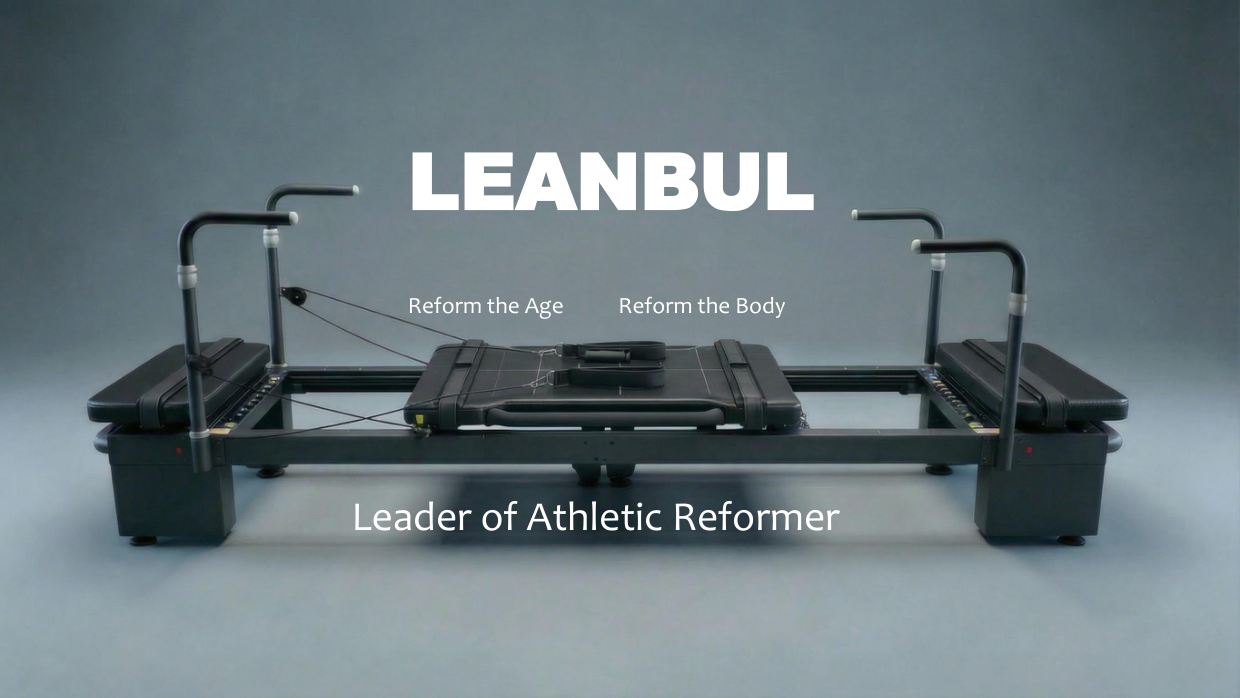
Still deciding? The method question is yours to answer — no brand comparison can do that for you. Once you know what you need, Leanbul is a Spain-based pilates reformer manufacturer building CE-compliant commercial reformers for European studios: parts stocked inside the EU, warranty enforced from Europe, and no import markup on the price. Browse the reformer collection, see our studio solutions, or contact us for a side-by-side quote against the brand you’re considering.