Best Commercial Pilates Reformer Brands in Europe (2026): An Honest Buyer’s Comparison
There is no best reformer brand. There are four ways to buy a commercial reformer in Europe, and the right one depends less on the machine than on who will service it, where the spare springs sit, and whether your teachers already know how to teach on it.
That answer is unhelpful if you are signing an order next month, so here is the version with names and prices. Everything below is written from the position of a manufacturer based in Spain, which means we compete with most of these brands. Read it with that in mind.
The four buying models
| Model | Brands that fit | Typical price per machine | What you are really buying |
|---|---|---|---|
| US premium, sold through European distributors | Balanced Body, Merrithew, Peak Pilates, Gratz | $3,000–8,000 list, plus freight, duty, VAT and distributor margin | Instructor familiarity, resale recognition, huge accessory ecosystems |
| European manufacturer brands | Align-Pilates (UK), Elina Pilates (ES), Leanbul (ES), BASI Systems (NL-based) | €2,000–5,000 | Euro invoicing, short freight, spares inside the EU, direct technical contact |
| Value importers and marketplace brands | dozens, mostly unbranded | €900–1,800 | A machine, and a phone number that may stop working |
| Refurbished and ex-demo | dealer stock, closing studios | 40–60% of new | A good machine with an unclear paper trail |
Most European studio buyers end up in the first two rows. The choice between them is mostly about service geography and teacher supply, not about which carriage rolls more smoothly. At this price level, they all roll.
The brands, and what each one is genuinely good at
Balanced Body
Sacramento, California. The Allegro 2 is the closest thing the industry has to a default commercial reformer, and the Studio Reformer is the made-to-order flagship. Founded in 1976, the company has arguably the widest accessory catalogue in the business: towers, jump boards, long boxes, chairs, barrels, and a parts system that has been running for decades.
Strengths. Most experienced pilates teachers in Europe have worked on one. Resale is easy. If your business model is “hire experienced teachers and let them teach what they know”, this is the lowest-friction choice.
Watch out for. European pricing is set by distributors, so two studios in two countries can pay very different amounts for the same machine. Consumables and accessories come through the same channel, which matters when you need four carriage pads before Saturday.
Merrithew (STOTT PILATES)
Toronto, Canada, founded 1988. Owned by Onex since 2022, and it acquired the Gyrotonic organisation in 2026, which tells you where the education business is heading. The SPX Max and V2 Max are the models most European studios compare against the Allegro.
Strengths. The strongest certification pipeline outside the US. If you plan to run teacher training, or you hire STOTT-certified instructors, the equipment and the education reinforce each other. Clinical and rehab positioning is credible, and Merrithew publishes maintenance guidance that is unusually specific — including a two-year spring replacement cycle.
Watch out for. Distributor coverage varies a lot by country. Ask who the service partner is in your region before you order, not after.
Peak Pilates
US-based, with a long history in both studio and home markets. The Casa and Artistry lines sit at the accessible end of commercial.
Strengths. Solid wood-and-steel construction at a lower entry price than the two above. Reasonable choice for clinics, small studios and teaching rooms where eight machines are not needed.
Watch out for. Configuration and bundle pricing varies widely between dealers, so compare like for like — a “bundle” that includes a box and a jump board is not cheaper than a bare machine if you needed those anyway.
Gratz
New York, classical lineage, still making apparatus close to the original designs. Narrow carriage, firm springs, no concessions to contemporary group teaching.
Strengths. If you teach classical pilates and your clients care about the lineage, nothing else substitutes. Resale value among classical teachers is strong.
Watch out for. Unforgiving for beginners and for high-volume group classes. Not the machine to buy if your revenue depends on 12-person reformer classes.
BASI Systems
Based in Amsterdam, with equipment designed around the BASI Pilates method and manufactured in Turkey. The wood reformer is the flagship; the expandable accessory system is the differentiator.
Strengths. Thoughtful engineering, strong aesthetic, and a genuine European base for a brand that is often lumped in with the US premium tier. Good fit for BASI-aligned studios and for premium boutique rooms.
Watch out for. The brand’s identity is tied to one education system. If your teachers are not BASI-trained, you are paying for an ecosystem you will not use.
Align-Pilates
UK, founded 2010, part of the same group as Pilates-Mad. Built explicitly as a European alternative to US pricing, and it has become one of the most common commercial reformers in UK studios.
Strengths. Good value in the mid-tier, a wide model range from the A8-Pro down to folding and home-commercial crossover machines, and UK-based support that European buyers reach in the same time zone. Their published maintenance and warranty documents are more transparent than most.
Watch out for. Since Brexit, UK-supplied machines into the EU involve import formalities and duty that did not exist in 2015. Get the landed cost in writing, not the ex-works price.
Elina Pilates
Spain-based manufacturer, about twenty years in the market, selling direct in euros across Europe. The Elite Advanced is their commercial flagship, listed at €2,990 excluding VAT.
Strengths. Euro pricing, EU-based manufacturing, and a product line that covers reformers, cadillacs, chairs and barrels from one source. Handcrafted wood and aluminium options at a price point below the US premium tier.
Watch out for. Fewer certified teachers than Merrithew or Balanced Body, so you will be training staff yourself.
Leanbul
That’s us. Spain-based manufacturer, commercial reformers from about €1,900 to €3,500 depending on model and configuration, supplied direct or through studio fit-out partners.
Strengths. Manufacturer-direct pricing in euro, EU spare parts, CE declaration and EN ISO 20957-1 Class S test evidence issued with the quotation, and delivery into the room rather than to a loading bay.
Watch out for. We do not have the brand recognition of a Balanced Body, and we will not pretend otherwise. If your marketing depends on clients recognising the logo on the machine, that is a real cost and you should weigh it.
A price table, with the caveats attached
These are published list prices from 2026 dealer and manufacturer material, per machine, before delivery and before VAT. They are a starting point for comparison, not a quotation.
| Brand / model | List price | Frame | Where it is made or based | Best fit |
|---|---|---|---|---|
| Peak Pilates Casa bundle | ~$2,995 | Aluminium | US | Clinics, small studios |
| Align-Pilates M8 Pro + box | ~$3,950 | Maple | UK | Value-focused studios |
| Merrithew SPX Max bundle | ~$3,949 | Aluminium | Canada | High-volume floors |
| Elina Elite Advanced | €2,990 ex-VAT | Wood / aluminium | Spain | Euro-direct buyers |
| Leanbul K30 | €1,900–2,600 | Aluminium | Spain | Studio fleets, direct supply |
| Merrithew V2 Max bundle | ~$5,299 | Steel / alloy | Canada | Teacher training |
| Balanced Body Allegro 2 | ~$4,000–7,500 | Aluminium | US | General commercial default |
| BASI Systems wood reformer | ~$6,850 | Beech | Designed NL, made TR | Premium boutique |
| Leanbul K38 | €2,800–3,500 | Aluminium | Spain | Premium studio, rehab |
| Gratz classical reformer | ~$8,000 | Wood | US | Classical studios |
Two warnings about this table. First, a “bundle” and a bare machine are not the same purchase; the price gap between brands narrows once you add the box, the jump board and the tower you were going to buy anyway. Second, dollar prices are not euro prices. A $5,299 machine landed in Spain carries freight, import duty, VAT and a distributor margin on top. Our guide to importing pilates equipment into the EU breaks down those lines.
The seven questions European buyers ask that US listicles never mention
American buying guides compare spring feel and footbar positions. Useful, but they assume the machine is already in the country. In Europe, half the decision happens before the machine arrives.
- Who is the EU responsible person? Under the General Product Safety Regulation (EU) 2023/988, in force since December 2024, a product placed on the EU market needs an economic operator established in the EU who is accountable for it. If the answer is “our distributor”, ask what happens if you stop buying from that distributor.
- Is there a declaration of conformity, and which class? A commercial room needs EN ISO 20957-1:2024 Class S. Class H is a home machine. Ask for the document, not the badge on the frame.
- Where do spare springs ship from? Springs are the main consumable. A two-week shipment from North America is two weeks of reduced classes, unless you hold a spare set. Ask what a full spring set costs and how fast it arrives.
- What are the Incoterms, and who clears customs? DAP means you clear and pay duty. DDP means the supplier does. Neither is wrong; not knowing which one you agreed to is expensive.
- In which currency, and does the price hold? A quote in dollars with a 90-day validity is a currency position you are taking, not a price.
- Who administers the warranty claim, in which country? A five-year frame warranty is meaningless if the claim has to be argued by email with a manufacturer eight time zones away.
- What is the realistic lead time, in weeks, including customs? Six to twelve weeks is normal for a European order. Add transit and clearance for imports.
How to compare two quotes without being fooled
Normalise before you compare. The same six machines can differ by €8,000 between two quotes that look €2,000 apart.
| Line | Ask for it explicitly |
|---|---|
| Machine price per unit | Ex-works or delivered, and in which Incoterm |
| Delivery | To kerbside, to the room, or installed and levelled |
| Assembly | Included or charged per hour |
| Packaging removal | Included or a separate waste charge |
| Accessories | Box, jump board, tower, ropes, straps — itemised |
| Training | Hours and number of staff included |
| Springs | Spare set included or priced |
| Warranty terms | Years by component, not a single headline number |
| Service contract | Optional annual cost, response time |
| Payment terms | Deposit percentage, balance on delivery or on installation |
If a supplier will not fill that in, that is your answer.
The honest decision shortcuts
- You hire STOTT-certified teachers and run teacher training: Merrithew. The ecosystem is the product.
- You teach classical pilates to a devoted clientele: Gratz, and accept the narrow carriage.
- You want the safest commercial default and resale is part of your exit plan: Balanced Body.
- You want euro invoicing, EU spares and manufacturer-direct pricing: a European manufacturer, whether that is Align-Pilates, Elina or us.
- You are opening six to twelve machines on a fixed budget and can train your own staff: manufacturer-direct is where the money goes furthest. See our fleet and layout guidance before you pick models.
- You are buying four machines for a clinic and expect reimbursement claims: buy the machine with the clinical documentation, not the one with the best Instagram.
Our own bias is obvious, so here is the test we suggest to anyone comparing us with a premium brand: put the two quotes side by side, add five years of springs, pads and service, and see what the annual difference actually is. In most European studios it is smaller than the price gap suggests, and it is real money either way. Our seven-year cost of ownership model shows the arithmetic we use.
Where we fit
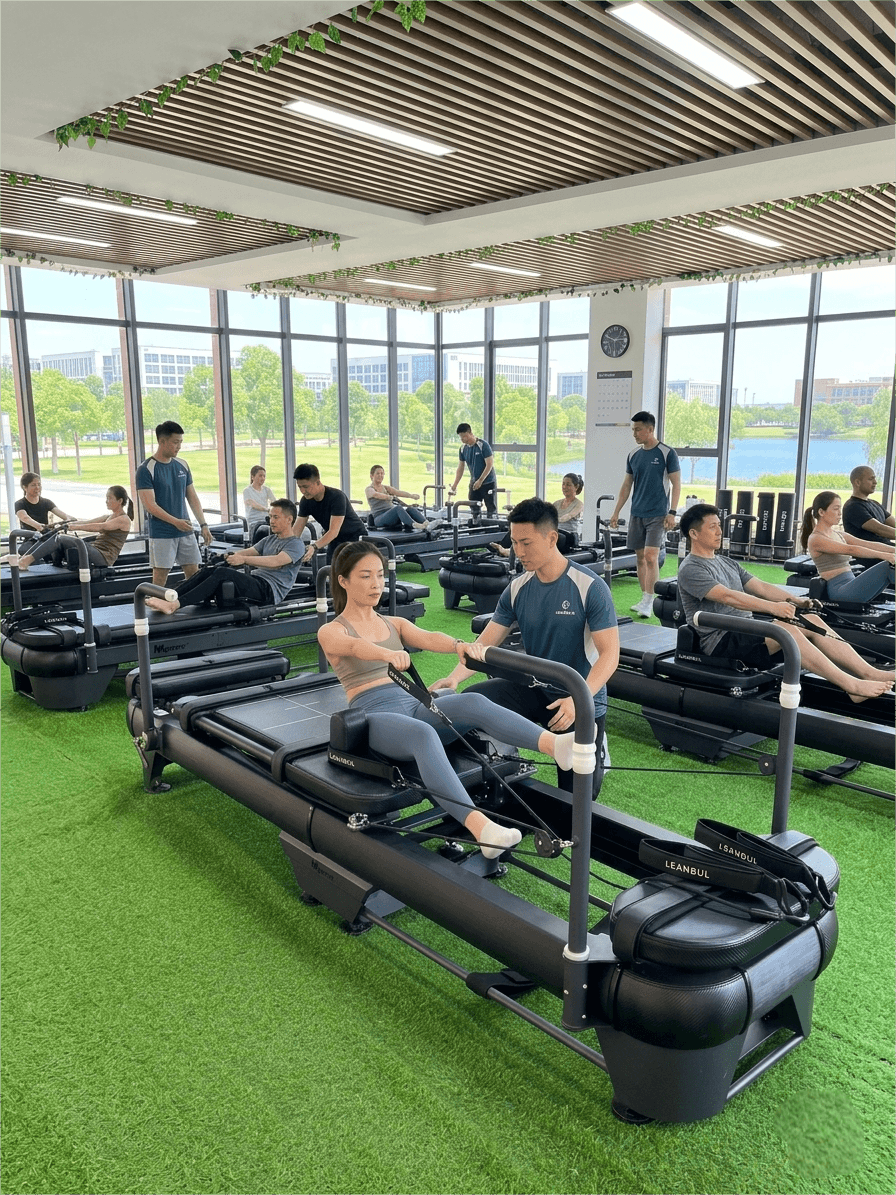
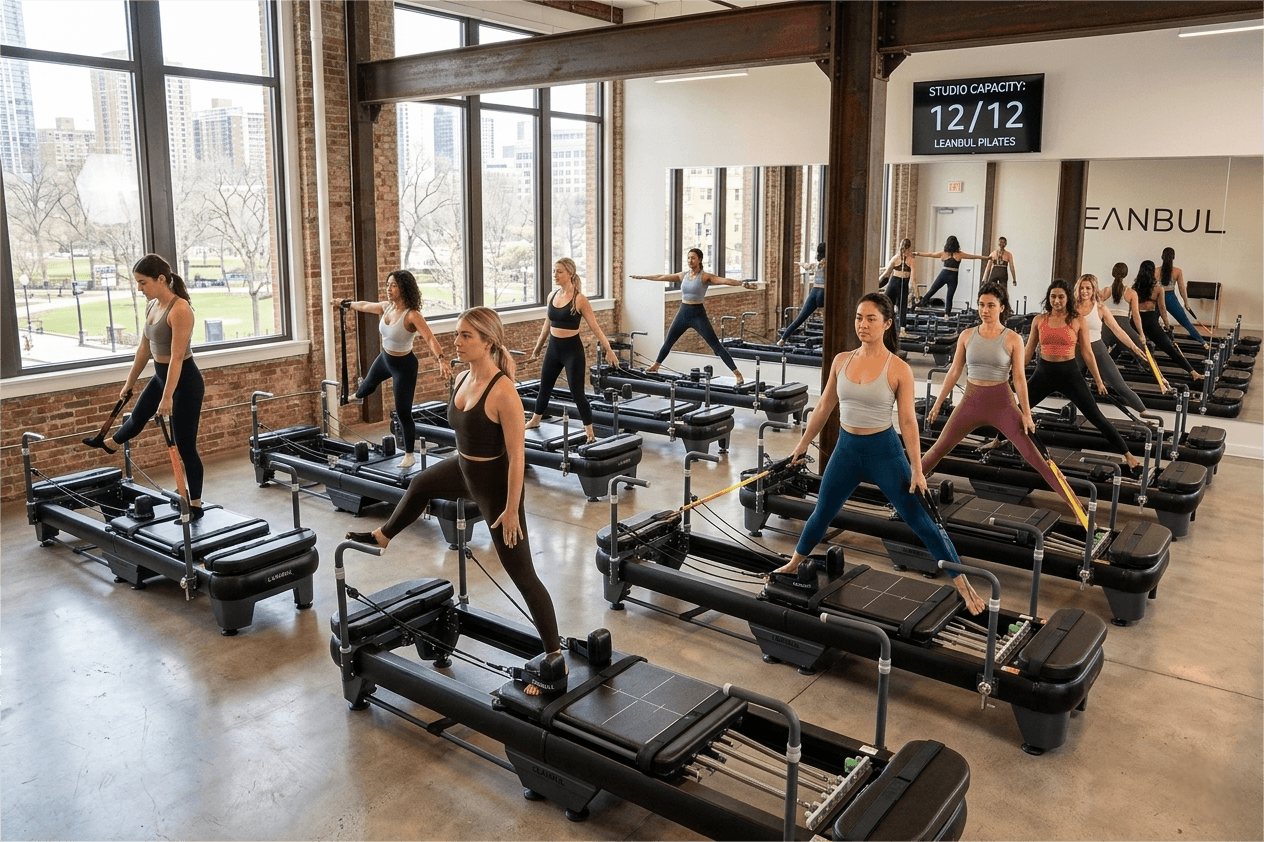
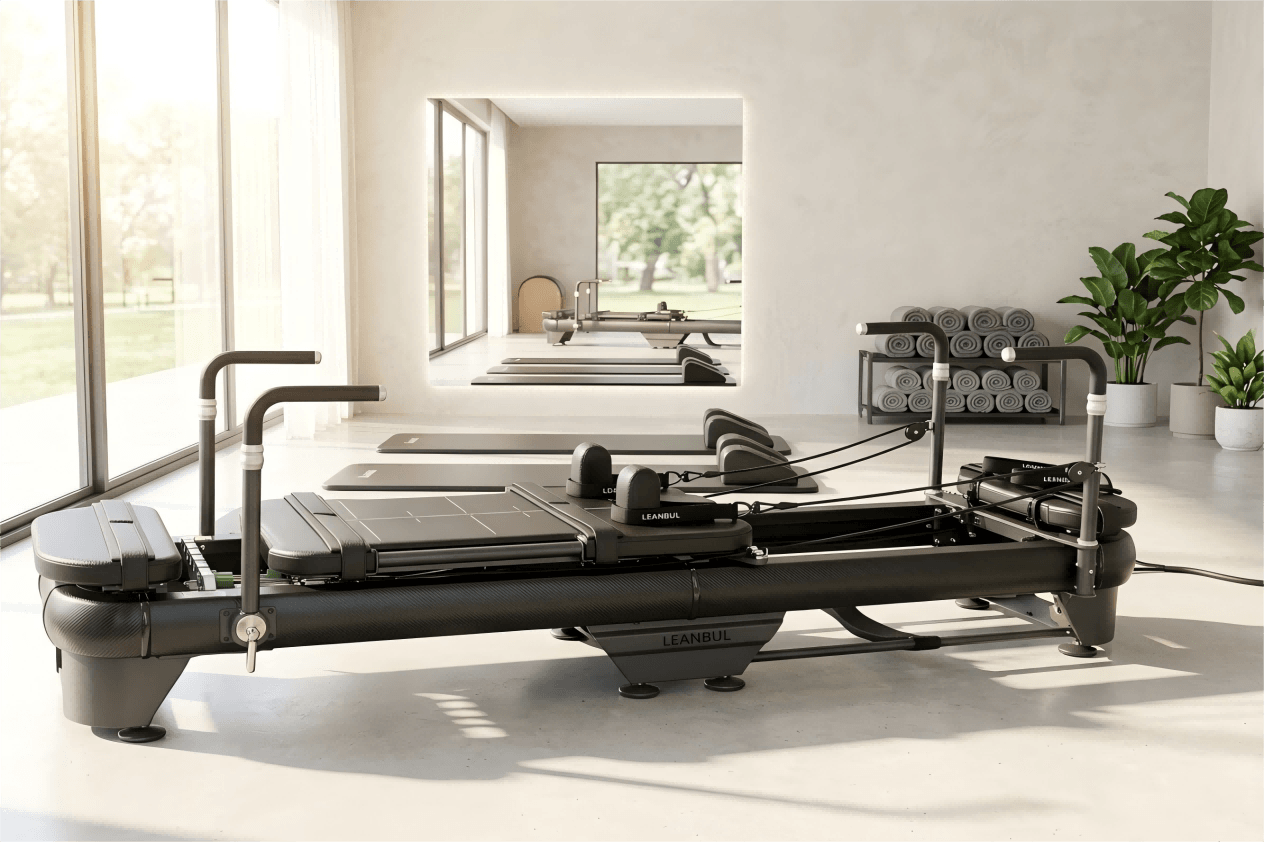
We build commercial reformers in Spain and sell them across Europe, mostly to studios opening or refitting between four and twelve machines. The K30 covers most studio floors; the K38 is the heavier, quieter option for premium and rehabilitation work. Both ship with CE documentation, EN ISO 20957-1 Class S test evidence and a spare parts list.
If you are comparing brands right now, send us the two quotes you already have. We will tell you which lines are comparable and which are not, even if the answer is that the other machine suits you better. Start with the collection or contact us directly.
FAQ
What is the best pilates reformer brand for a studio in Europe? There is no single best brand. Balanced Body is the safest default for resale and teacher familiarity, Merrithew is stronger where STOTT-certified instructors and teacher training are central, and European manufacturers such as Align-Pilates, Elina and Leanbul offer euro pricing with spares and service inside the EU. The deciding factor is usually service geography, not the machine.
How much does a commercial pilates reformer cost in Europe in 2026? Between roughly €1,900 and €5,000 per machine from a European manufacturer, and higher for US premium brands once freight, import duty, VAT and distributor margin are added. A six-machine studio fleet typically lands between €12,000 and €30,000 in equipment before installation and accessories.
Are US reformer brands CE marked for Europe? Most major brands supply CE-marked equipment for the European market, usually through a European distributor who acts as the responsible economic operator under the General Product Safety Regulation. Ask for the declaration of conformity and the EN ISO 20957-1 test report, and check which entity is named on them.
How often do reformer springs need replacing? Merrithew’s own guidance is every two years in commercial use; Align-Pilates specifies a maximum of 3,000 hours or two years, whichever comes first, and notes that about 5% elasticity loss per 1,500 hours is normal. Budget a full spring set per machine every 18 to 24 months in a busy studio.
Is it cheaper to buy a reformer directly from a manufacturer?
With a distributor price removed, a comparable machine usually costs less direct from the manufacturer, often by the margin the channel would have taken. What you give up is local stock, brand recognition and, sometimes, a service engineer within driving distance. Whether that trade is worth it depends on how confident you are about maintaining the machines yourself.
