Pilates Reformer Equipment for Teacher Training Academies: A Buying Guide for Europe
Buying pilates teacher training equipment is a different exercise from outfitting a studio, and most buying guides miss the difference. A training academy needs commercial reformers that survive eight hours of student use a day, adjust to bodies of every size, and match what trainees will teach on after they graduate. This guide is written for academy directors, program coordinators, and anyone equipping a pilates certification program in Europe.
The short version: buy the same commercial-grade machines you’d put in a busy studio, size your fleet to your largest training cohort, add a spare per ten machines, and insist on a compliance documentation pack (CE, EN ISO 20957) because a training school’s insurer and accreditors will ask for it. The machine itself isn’t special — the way you buy, spec, and negotiate it is.
Why teacher training changes the equipment equation
Students are harder on reformers than paying clients. Not because they’re careless — because they’re learning. A trainee in an apparatus class will:
- Adjust springs and straps dozens of times per session, testing different resistance settings
- Attempt transitions and exercises at full range, including the ones they haven’t mastered yet
- Work in pairs, with instructors correcting form mid-exercise
- Spend 20–40 hours per module on the equipment, week after week
That’s a duty cycle closer to a commercial gym than a boutique studio. The machine that glides smoothly on day 100 of a 5-classes-a-week boutique is a different question from the machine that’s still smooth on day 100 of a training academy running back-to-back modules.
There’s a second, less obvious reason: the equipment is part of the curriculum. Trainees build muscle memory on your machines, and they’ll teach on whatever reformers their future employers own. If your fleet doesn’t match what’s common in the industry — spring counts, carriage travel, footbar feel — your graduates start their careers with a mismatch they didn’t ask for. Standard commercial specification is a teaching decision, not just a purchasing one.
What certification programs actually require from equipment
Recognized training programs structure their curricula around defined apparatus hours. The National Pilates Certification Program (NPCP) in the US accredits teacher training schools and sets standards that include documented curriculum and equipment requirements; internationally, programs like STOTT PILATES (run by Merrithew in Toronto, with training centers across Europe) and Polestar Pilates, founded in 1992, all build their certifications on reformer-based apparatus work.
The practical pattern across these programs:
- The reformer is the core apparatus. Every comprehensive certification includes substantial reformer hours. It’s the machine trainees meet first and use most.
- Tower and chair work follow. Most curricula add a tower (or reformer-with-tower), stability chair, and barrel work as the program progresses.
- Programs specify apparatus lists, not brands. Accreditors care that the equipment exists, is safe, and is sufficient for the cohort — not which manufacturer you chose.
What that means for your buying decision: before you spend anything, get the program’s apparatus requirements in writing and spec your fleet against them. The two documents you’ll need regardless are the CE declaration of conformity and the EN ISO 20957 test documentation — we covered exactly what these involve in our CE certification guide for EU buyers.
Academy-grade vs boutique-grade: what actually differs
Here’s the spec comparison an academy director should make. The honest headline: the machines are the same class, but the priorities shift.
| Specification | Boutique studio priority | Teacher training academy priority |
|---|---|---|
| Frame | Steel, welded, commercial-duty | Same, but expect 2–3× daily usage hours |
| Carriage & bearings | Precision, sealed, quiet glide | Same — durability under heavy use, not just feel |
| Spring system | 4–5 spring sets, replaceable | Same — plan for double the replacement cadence |
| Adjustability | Standard range | Extended range matters: trainees span every body size |
| Weight capacity | 150 kg+ | Same — but get it in writing; students vary |
| Ropes & pulleys | Commercial | Same — fraying resistance is a training-room must |
| Compliance | CE, EN ISO 20957 | Same, plus a documentation pack for your school |
| Warranty | 2–5 years frame | Ask for fleet terms — you’re buying 8–20 units at once |
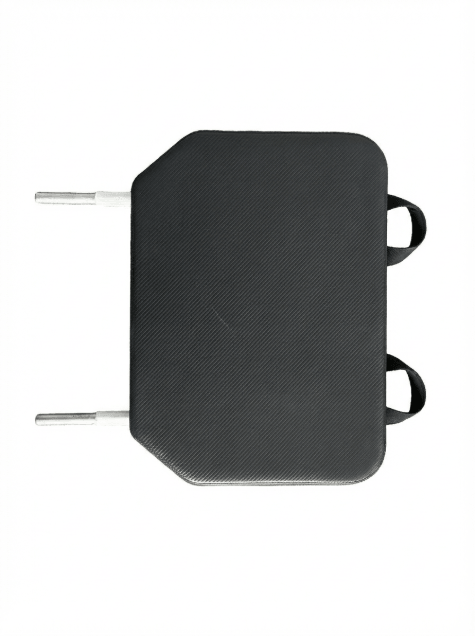
The one spec academies should push harder on is adjustability. Your trainees will include a 152 cm dancer and a 196 cm rugby player in the same cohort, both learning the same footwork sequence. A machine with limited headrest adjustment or a short carriage makes half your students practice in compensation patterns they’ll carry into teaching. If your program serves diverse bodies, ask manufacturers about extended carriage and range options — it’s a genuine training-quality issue, not a comfort extra.
How much pilates teacher training equipment does an academy need?
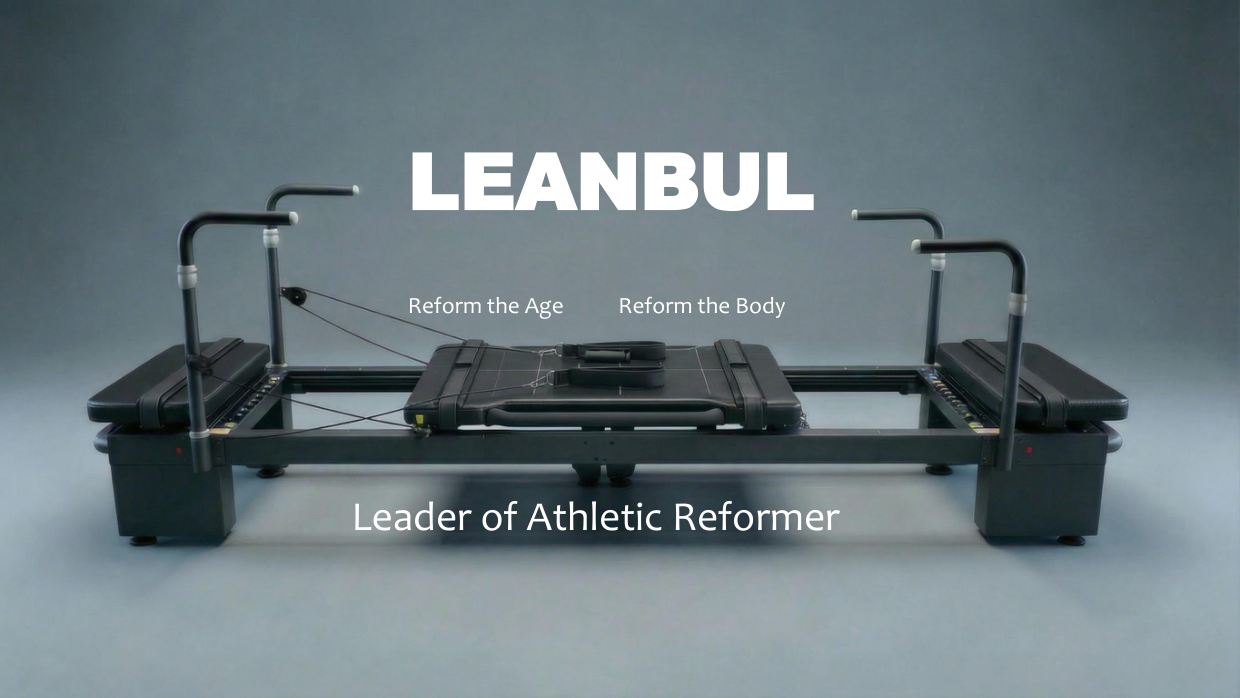
Size the fleet to your largest cohort, not your average one. A certification module that runs 10 trainees in apparatus sessions needs 10 working reformers — one machine down means someone’s practice time disappears, and unlike a studio, you can’t reschedule a module.
The practical formula:
- One reformer per trainee in the largest concurrent apparatus session
- One spare per ten machines for repairs and servicing (springs fail; it’s a matter of when)
- One tower station per 4–6 trainees if your curriculum includes tower work
- Buffer capacity of 10–20% if you run multiple modules or intake cohorts year-round
A typical European academy running a 10-person cohort ends up around 10–12 reformers plus a tower or two. That’s a fleet purchase — which changes how you should buy, covered below.
Reformer with tower: the space-efficient choice
Most comprehensive curricula include tower exercises, and you have two options: separate tower units, or reformers with an integrated tower. For an academy, the integrated option is usually the smarter buy:
- One footprint, two apparatus. A reformer with tower covers reformer and tower hours in the same floor space — relevant when European training rooms rent at commercial rates per square metre.
- Teaching flow. Trainees move between spring work and tower work without rotating to another station, which keeps group sessions moving.
- Consistency. Students learn the transition between reformer and tower work on the same carriage they’ll use for both, which matches how many studios actually operate.
The trade-off is price and weight. Integrated towers cost more and are heavier to move. If your program is reformer-only at this stage, start with plain reformers like the K30 and add towers when the curriculum demands them — but check that the machines you buy can be retrofitted or matched later.
Laying out the training room
A training room is a teaching space first. Instructors need to see every trainee’s alignment without walking around constantly, and trainees need to see the instructor. The layout rules that matter:
- Arrange reformers in a U-shape or shallow rows with the open side toward the instructor, so sightlines work in both directions
- Allow roughly 2.5 × 1.2 m per machine as a working area, plus a teaching aisle of at least 1.5 m
- Keep spring and strap adjustments visible — trainees learn by watching each other’s setups, not just their own
- Plan for demonstration space at the front, with a mat area for the instructor’s own practice
One layout mistake academies make: squeezing in one extra row of machines to fit a bigger cohort. Training quality drops faster than revenue rises when students can’t see the instructor or each other.
Compliance and paperwork: higher scrutiny for schools
A training school faces more compliance scrutiny than a typical studio. You’re running an educational institution, your insurer knows it, and in Europe your equipment obligations are specific:
- CE marking with a Declaration of Conformity — the manufacturer’s formal statement that the machine meets EU safety requirements
- EN ISO 20957 compliance — the European fitness equipment standard; Class S (studio) is the relevant classification
- GPSR (EU) 2023/988 — since December 2024, equipment sold in the EU needs a responsible economic operator based in the EU, which is automatic when you buy from an EU manufacturer
If a manufacturer can’t produce these documents for a fleet order, walk away. For a school, this isn’t paperwork for its own sake — it’s the first thing your insurer and your accreditors check, and it’s what protects you if a trainee is injured during training.
Buying as a fleet: what to negotiate
Fleet purchases are a different conversation from single-machine orders. When you’re buying 10+ units, negotiate:
- Fleet pricing — volume discounts are standard practice; get them in writing
- A spare parts kit — springs, ropes, and pads included with the order, so routine replacements don’t interrupt modules
- A service schedule — planned maintenance intervals for the fleet, not reactive repairs
- Warranty terms for the fleet — frame, parts, and consumables, stated per component (see our guide to reformer warranties in Europe)
- Delivery windows that match your intake schedule — a module starting in six weeks needs the fleet delivered in five; European manufacturers deliver in days or weeks, not months (we covered EU delivery times and freight here)
This is also where buying from a Spain-based manufacturer pays off structurally: intra-EU delivery with no customs, VAT handled simply, parts stocked inside the EU, and a warranty you can enforce from a nearby country instead of across an ocean.
FAQ
How many reformers does a teacher training academy need? One per trainee in your largest concurrent apparatus session, plus one spare per ten machines. A 10-trainee cohort typically means 10–12 reformers, plus tower stations if your curriculum includes tower work.
Are home reformers acceptable for teacher training? No. Training academies run machines for 8+ hours a day under student use, and trainees need the standard commercial feel they’ll encounter in real studios. Home-grade machines wear out fast and teach the wrong reference point.
Do I need reformers with towers for certification training? Only if your curriculum includes tower work — most comprehensive certifications do. An integrated reformer-with-tower covers both apparatus in one footprint, which saves space and money in European training rooms.
What paperwork should a training school demand from a manufacturer? CE marking with a Declaration of Conformity, EN ISO 20957 compliance documentation, and evidence of an EU-based responsible operator under GPSR 2023/988. Your insurer and accreditors will ask for these — get them before you pay.
Equip Your Academy
Setting up or expanding a pilates teacher training program in Europe? Leanbul is a Spain-based pilates reformer manufacturer supplying academies, studios, and fitness chains across the EU. Every machine ships with CE marking, EN ISO 20957 documentation, and a warranty enforced from Europe — and we build fleet quotes with parts kits and delivery windows matched to your intake schedule. Browse the reformer collection, see our studio solutions, or contact us with your cohort size and curriculum, and we’ll spec a fleet that fits your program.