Pilates Reformers for Gyms in Europe: Why Fitness Clubs Are Adding Reformer Zones in 2026
If you run a gym or fitness club in Europe, the question is no longer whether pilates belongs in your building, but how fast your competitors are adding it. The clearest signal arrived in 2026, when Matrix Fitness signed on as exclusive European distributor for Your Reformer, the Australian connected-reformer brand owned by Johnson Health Tech, explicitly targeting studios, wellness facilities, and fitness clubs. That is a large commercial gym brand betting that reformer pilates is a mainstream club offering, not a boutique niche. This guide explains what is driving the move, what a reformer zone actually costs and needs, and how to buy the machines without making the mistakes first-time gym operators make.
Why Gyms Are Adding Reformer Zones Now
The European fitness market is healthy and crowded at the same time. EuropeActive and Deloitte’s European Health & Fitness Market Report 2026 counts 67,515 fitness clubs, 75.5 million members, and €39.1 billion in annual revenue across the continent. Clubs are competing for the same members, and the growth is no longer coming from the traditional weight floor. It is coming from small-group training, recovery, and mind-body offerings, and reformer pilates sits at the profitable intersection of all three.
Four business reasons push gym operators toward reformers:
- Reformer classes justify premium pricing. A reformer group class at a studio runs €20-35 per session in most European cities, and one-on-one reformer work €60-90, prices that normal gym membership struggles to reach. Adding a reformer zone lets a club sell a higher-value product to existing members.
- It attracts members the weight floor does not. Reformer pilates pulls in a demographic many traditional gyms under-serve, and it is often the reason a couple or a household joins and stays.
- It competes with the boutique down the street. Boutique reformer studios are opening in every mid-size European city and taking the members who want premium small-group sessions. A gym that cannot offer reformer work hands that revenue to the studio instead.
- Space efficiency. A 4-8 machine reformer zone can host 12-24 class memberships per hour in a fraction of the floor area a functional training zone needs, with higher revenue per square metre.
None of this requires becoming a pilates studio. The models that work in clubs range from a few machines in a corner of the group exercise room to a dedicated reformer studio with its own schedule and pricing. The common thread is that the equipment, not the brand, is what members are paying for.

The 2026 Shift: Connected Reformers Are Coming to Clubs
The Matrix deal matters because it signals where the industry is heading. Your Reformer is a premium connected reformer: studio-grade hardware with a built-in screen, on-demand classes, and software that lets an operator run reformer sessions without a deep bench of in-house pilates instructors. Matrix plans to sell it into fitness clubs, and the pitch is obvious: a club that lacks qualified pilates teachers can still offer instructor-led digital reformer classes, which solves the single biggest bottleneck to adding pilates.
The same pattern is visible elsewhere. NordicTrack’s commercial ReformRx line and other connected reformers push the same model in North America, and European operators are watching. The strategic point for a gym owner is not which connected system to buy. It is that the hardware-plus-content model exists, which means the decision is no longer binary between “hire pilates teachers” and “do nothing.”
That said, connected reformer platforms come with subscription costs and content lock-in, and they are not the only path. Many clubs run reformer zones with conventional commercial reformers and their own trained staff, and some partner with independent instructors or a local studio, a model we covered in our guide to pilates reformers for personal trainers in Europe. The right choice depends on one question: who teaches the classes?
The Real Bottleneck Is Not Equipment, It Is Instruction
Gyms routinely make the equipment decision first and discover the staffing problem second. A reformer zone without qualified instruction is a row of expensive benches, and reformer pilates is not a machine members can safely figure out alone. Before you price machines, decide how classes will be staffed:
- Hire a trained instructor. The traditional route. A certified reformer teacher can run group classes and one-on-ones, build a schedule, and grow the offering. Salaried or per-session, this is the highest-quality option and the one boutique studios use.
- Partner with an independent trainer or studio. Rent the zone to a local reformer teacher who brings their own clients, or run a revenue share. Low risk, minimal overhead, and it tests demand before you commit deeper. This is the same arrangement independent personal trainers look for, and it is common in European clubs.
- Run connected reformer classes. Digital instruction through a screen, which works for clubs without pilates expertise and for off-peak hours when no teacher is on site. The trade-off is subscription cost and a less personal experience than a live teacher.
- Hybrid. Connected machines for self-guided and off-peak use, plus a live teacher for peak group classes.
The staffing model also decides your machine spec. A club with its own teachers can buy conventional commercial reformers and keep control of the content and the pricing. A club without teachers should compare connected platforms seriously, because the hardware price is only part of the cost of entry.
What a Reformer Zone Needs: Space, Machines, and Costs
Space. A reformer is about 2.4 metres long and needs clearance at both ends for the carriage and for the instructor to work around members. Plan roughly 3 × 2.5 metres of clear floor per machine. A starter zone of four machines therefore needs about 30-35 square metres including instructor space and a small buffer, and a serious eight-machine studio needs 60-70 square metres. Our guide to pilates reformers for boutique studios in Europe goes deeper into studio layout.
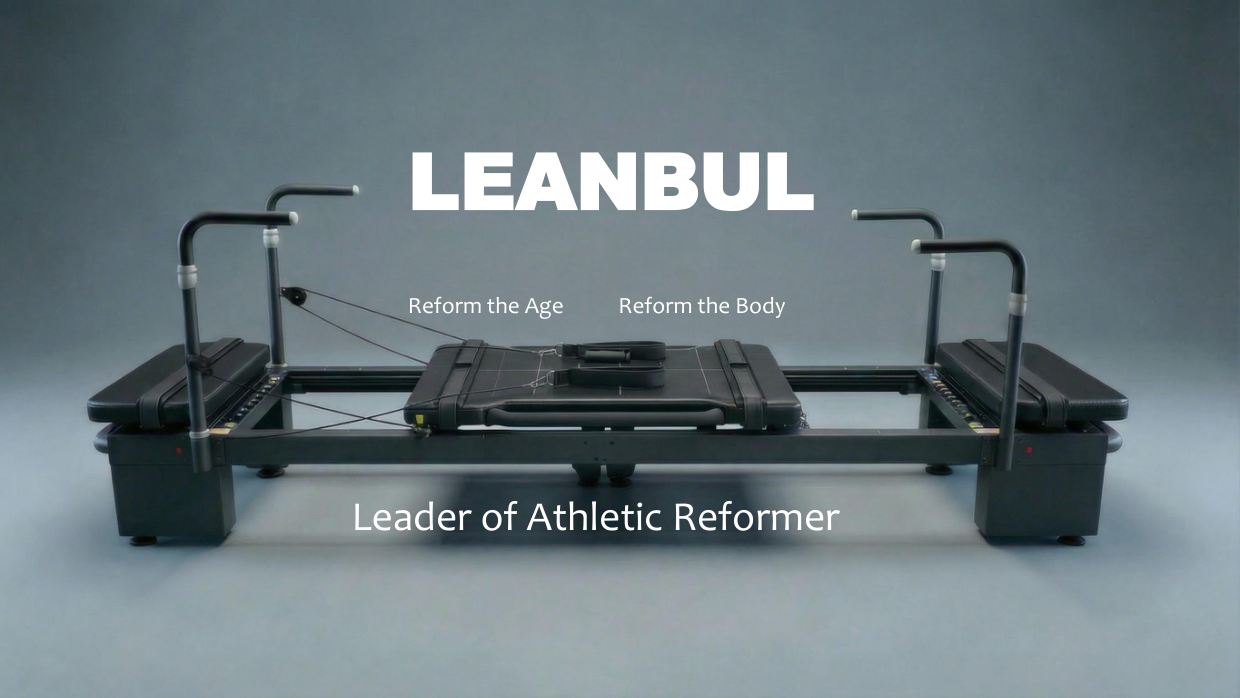
Machines. For a club environment, buy commercial-grade machines rated for daily use. Home reformers fold away and cost less, but they are engineered for one person a few times a week and will not survive eight classes a day. A commercial reformer is built to EN ISO 20957-1 Class S, CE marked, with calibrated springs, precision rails, and a frame that does not flex under heavy use. For the full breakdown of why the standard matters, see our CE certification guide.
Costs. A realistic budget picture for Western Europe:
| Item | Range | Notes |
|---|---|---|
| Commercial reformer, new | €3,000-6,500 per machine | CE-certified Class S; buying from a Spain-based manufacturer avoids import duty and simplifies VAT |
| Four-machine starter zone | €12,000-26,000 | Machines only |
| Room preparation | €3,000-10,000 | Flooring, mirrors, lighting, storage; varies heavily with the room |
| Instruction | €30-60 per class hour | Salaried or freelance; or a connected-platform subscription |
| Maintenance and parts | €200-500 per machine per year | Springs are wear items; see our [warranty guide](https://www.leanbulreformer.com/pilates-reformer-warranty-europe/) |
For a full price breakdown by machine type, our reformer cost guide for Europe is the reference. If cash flow is the constraint, equipment leasing and financing are available in most European countries; we covered the options in our leasing guide.
Buying for a Club: The Checklist That Matters
Buying reformers for a fitness club is not the same as buying treadmills, and club purchasing departments often apply the wrong checklist. These are the criteria that actually matter:
- Commercial rating, provable. Ask for the CE Declaration of Conformity and the EN ISO 20957-1 test classification before you pay. If a supplier cannot produce documents, the machine is not the problem, the supplier is.
- Springs as a system, not an accessory. Reformers live or die on spring quality. Look for calibrated, colour-coded springs from a supplier that stocks replacements in Europe and can ship a set in days, because springs wear fastest exactly where you will use them hardest.
- Rated weight capacity with margin. Club members are a broad population. Confirm the carriage rating covers your largest members, because an under-rated machine fails early and the liability question is worse.
- Carriage and rail quality. This is the part members feel every session. Test the machine: the carriage should glide smoothly and stop precisely, with no play in the system.
- Delivery and assembly inside the EU. A commercial reformer weighs 60-90 kg. Confirm what the delivery price includes: room placement, assembly, packaging disposal. Our delivery guide for Europe explains what to expect.
- Warranty that covers club use. Some warranties quietly exclude commercial use. Read the terms and check what is covered on the frame versus the springs, which are wear items. The European warranty guide tells you what to demand.
- Spare parts commitment. Buy a spare parts kit with the order: springs, ropes or cords, and small parts. A machine waiting weeks for a spring costs more than the spring.
Common Mistakes Gyms Make With Reformer Zones
The pattern repeats across clubs, and it is avoidable:
- Buying home-grade machines to test demand. If you test demand, test it with a rented space and an instructor, not with machines that will need replacing the moment the test succeeds. Home reformers used commercially fail fast and quietly void their own warranties.
- Under-planning instruction. The equipment arrives, the schedule is empty, and the zone sits dark. Staffing is the plan, machines are the execution.
- Putting the zone where it cannot be seen. Reformer classes sell by visibility. A room behind the locker area gets no drop-in members. Glass frontage or a visible position on the club floor is marketing you do not pay for twice.
- Skipping the paperwork. For a club, CE compliance and the Declaration of Conformity are not optional decoration. They are what your insurer asks for when something happens, and what a serious buyer checks before signing.
FAQ
Do gyms need pilates instructors to offer reformer classes?
For live classes, yes, and staffing is the real bottleneck in most clubs. The alternatives are partnering with an independent instructor who brings their own clients, or connected reformer platforms with on-screen instruction, which is exactly why Matrix Fitness is bringing connected reformers like Your Reformer into European clubs.
How many reformers does a gym need to start?
Four machines is the practical minimum for a group class format, though some clubs start with two for one-on-one and small-group work. Four machines need roughly 30-35 square metres. Start small enough to test demand and staff the schedule properly.
How much does it cost to add a reformer zone to a gym?
A four-machine commercial zone costs about €12,000-26,000 for machines, plus €3,000-10,000 for room preparation, plus instruction costs. Leasing and financing options are available in most European countries if you want to spread the cost.
Are connected reformers like Your Reformer worth it for a gym?
They make sense when you lack in-house pilates instruction, because the subscription content replaces the need to hire teachers for every class. The trade-offs are the subscription cost and content lock-in. Clubs with their own trained instructors usually do better with conventional commercial reformers and full control over pricing and programming.
Can a gym buy one reformer and offer classes?
One machine only supports one-on-one and very small groups, which is a personal-training offering rather than a class offering. If that is the plan, our guide to reformers for personal trainers is the more useful read.
What is the best reformer for a gym environment?
A commercial-grade reformer rated EN ISO 20957-1 Class S with calibrated springs, precision rails, and a strong frame, from a supplier with spare parts stocked in the EU. The brand matters less than the standard and the support. Compare the K30 commercial reformer and the K38 premium model to see the spec difference in practice.
The Bottom Line for Gym Operators
The reformer zone is becoming a standard part of the European fitness club offer, and the equipment brands moving into this space confirm it. The winning sequence is: decide who teaches, price the zone honestly, buy commercial-grade machines with the paperwork to prove it, and put the zone where members can see it. Do that and the reformer zone stops being an experiment and becomes a revenue line.
Leanbul is a Spain-based manufacturer of commercial pilates reformers, CE certified and rated to EN ISO 20957-1 Class S, with spare parts stocked in the EU and warranty support handled from Europe. For a single machine or a club fleet, compare the K30 commercial reformer, the K38 premium model, and the K11 in the full collection, or explore our studio solutions for multi-machine zones. Contact our team for a quote with delivery and VAT handled for your country.