How to Become a Pilates Reformer Distributor or Dealer in Europe (2026 Guide)
If you already sell fitness equipment, fit out studios, or run a wellness business in Europe, becoming a Pilates reformer distributor is one of the steadier ways to lift your average order value. The machines are high-ticket, the category is still expanding, and buyers increasingly want a local partner for delivery, setup and service rather than a pallet shipped in from far away. This guide explains how reformer distribution in Europe actually works, what a manufacturer looks for in a partner, the legal duties you take on under EU law, and how to work out whether the margin is there for you.
Why the Reformer Category Suits a Distributor in Europe
Reformer Pilates has done something rare in fitness: it has grown without cannibalising itself. The studios opening across Europe are not replacing existing ones at the same rate they are adding to them, and the equipment is expensive enough that every studio is a serious transaction.
The demand base is the argument. The European Health & Fitness Market Report 2026, published by EuropeActive and Deloitte, put Europe at 75.5 million fitness members, 67,515 clubs and €39.1 billion in revenue for 2025. Reformer rooms are a small share of that revenue and a disproportionately fast-growing one, because the format carries higher price points, smaller class sizes and stronger retention than general gym floors.
For a distributor, the attraction is the shape of the sale. A single boutique studio might buy eight to twelve machines at once, and a gym adding a reformer zone might buy twenty. That is a different business from selling one treadmill at a time.
What a Pilates Reformer Distributor Actually Does
Most European reformer distribution falls into a handful of recognisable models. They differ in who you sell to and how much work you take on.
| Model | Who you sell to | Typical order | Strength | Watch-outs |
|---|---|---|---|---|
| Studio fit-out specialist | New and refurbishing boutique studios | 6–14 machines plus accessories | High value per project, repeatable spec | Project-based cash flow, needs design skills |
| Fitness-equipment dealer | Gyms, PT studios, clinics, schools | 1–6 machines, mixed with other kit | Broad customer base, one relationship per client | Competing on price with generalist rivals |
| Studio-brand partner | A studio chain standardising its fleet | 20+ machines, rolling | Volume, predictable, brand-led | Slower to win, exclusivity often requested |
| Online and e-commerce retailer | Home-plus, small studios, instructors | 1–2 machines | Low overhead, national reach | Thin margins, high return and service burden |
| Hospitality and wellness supplier | Hotels, resorts, spas, longevity clubs | 2–6 machines per site | Premium budgets, design-led | Long sales cycles, seasonal spend |
You do not have to pick one. The strongest European partners usually lead with one model and add a second once the first is working. A fit-out specialist who later supplies hotel wellness teams has a natural extension, because both buyers care about how the machine looks in the room.
What Manufacturers Look For in a Distribution Partner
Manufacturers are careful about who carries their name, because a bad partner damages the brand in a small market. The questions that decide a partnership are almost always the same.
- A real customer base. Existing relationships with studios, gyms or clinics beat a website and an intention. Show who buys from you today.
- Technical ability. Someone on the team needs to install, adjust and service a reformer properly. This is not flat-pack furniture, and a carriage or spring set that is set up wrong generates warranty claims.
- Warehouse or showroom space. Demonstrating a machine is how you sell a machine. Even one display unit changes the conversation.
- Financial standing. Machines are ordered in batches and paid for before they ship. Manufacturers want partners who can hold stock and manage credit.
- Market fit and exclusivity claims you can justify. “I want the whole of Germany” is a different proposition from “I want Bavaria and a plan for the rest.”
- Marketing commitment. Listing a product on a site is not distribution. Demos, studio visits, trade fairs and content are what move machines.
Merrithew, one of the two dominant professional reformer brands, runs exactly this structure in Europe. It sells direct in some countries, through exclusive distributors in others, and through resellers in a third group, so its distribution map is a useful reference for how a mature manufacturer splits a continent.
The Legal Side: CE, EN ISO 20957 and Your GPSR Duties as a Distributor
This is the part new distributors underrate, and it is where a partnership can go wrong. As soon as you place commercial Pilates reformers on the EU market, you are an economic operator under European product law, and that carries defined duties.
First, the machines themselves. Commercial reformers sold for studio, gym or clinical use should carry CE marking and be classified under EN ISO 20957, the European standard for stationary training equipment, with Class S denoting commercial application. A machine built for home use and sold into a studio is a compliance problem, and it can void the studio’s insurance. Our CE certification guide for EU studios covers what to look for.
Second, your own obligations. Under the General Product Safety Regulation, Regulation (EU) 2023/988, which has applied since 13 December 2024, distributors must, before making a product available, carry out factual checks that the manufacturer and, where relevant, the importer have met their own obligations. In practice that means confirming the CE marking is present, that the manufacturer’s or importer’s identity and contact details are on the product or packaging, that instructions and safety information are supplied, and that the documentation can be produced if a market surveillance authority asks. You are not expected to re-test the machine. You are expected to be able to show, quickly, that the chain behind it is in order.
None of this is onerous if your manufacturer does its job. It becomes a problem only when you source from a supplier who treats CE as a sticker rather than a technical file.
Territory, Exclusivity and What a Fair Agreement Looks Like
Exclusivity is the negotiation that decides whether a distribution deal is worth signing. A workable agreement usually contains a few specific things.
- A defined territory. Named countries or regions, not “Europe.”
- Performance conditions on exclusivity. A volume or revenue target that keeps the exclusive right, reviewed annually. Exclusivity without a target is a trap for the manufacturer and a temptation for you.
- A term long enough to earn back your investment, typically two to three years, with a renewal mechanism.
- Clear pricing tiers, so you know your landed cost at each volume band before you quote a customer.
- Warranty and spare-parts terms in writing, including who pays for parts, who covers labour, and what the response time is.
- A defined demo or showroom unit at preferential pricing, because you cannot sell what you cannot show.
- Marketing support spelled out. Images, video, specifications, training and co-funded trade-fair presence.
Get these agreed early, in writing. Distribution disputes are almost never about the machine. They are about territory, pricing and who pays for a warranty claim.
Logistics, VAT and Cash Flow
Reformer distribution inside the EU is simpler than importing from outside it, and the difference is worth understanding before you model your numbers.
- Within the EU there is no customs duty and no customs border. Goods move between member states like domestic freight.
- A VAT-registered business buying from another EU country normally uses the reverse charge: you self-invoice and account for the VAT yourself, typically recovering it at the same time. That keeps the VAT out of your working capital.
- Delivery terms matter. Understand whether you are buying DDP, DAP or EXW, because the Incoterms decide who pays freight, insurance and unloading, and a 60 kg machine unloading at a studio with no dock is a real cost.
- Cash flow is the constraint, not margin. High-ticket equipment means you pay for stock before you sell it. Plan for stock financing or a deposit structure with your customers rather than assuming the manufacturer will carry you.
Margins and What the Numbers Look Like
Work out your own margin from real numbers rather than a rule of thumb. Start from where commercial reformers actually price in Europe.
Dealer and fleet pricing for European-made commercial machines typically runs from around €1,900 to €3,500 per machine for volume orders, while studios pay roughly €2,800 to €6,500 before VAT depending on specification and finish. That spread is where a distributor lives, and it is why specification knowledge matters more than a discount. Our Pilates reformer cost guide for Europe breaks the components down.
From that spread, subtract what the trade always forgets: freight and unloading, installation labour, warranty reserve, spare parts held in stock, demo units, trade-fair costs, marketing and bad debt. What survives is your real margin. Generalist online sellers often discover it is thinner than the sticker price suggested. Spec-led fit-out specialists usually find a healthier number, because they sell a configured solution rather than a box.
How to Get Started
The most reliable route into reformer distribution is not to start broad. Pick a territory you know, a customer type you can reach, and one or two machines you can specify and service properly. Prove the model with a handful of studio fit-outs or gym reformer zones, then ask for a wider agreement with the numbers behind you.
If you are already selling into a European market and want to add a certified reformer line, we work with partners across the EU. We build commercial reformers in Spain, supply CE-marked equipment under EN ISO 20957 with documentation a distributor can stand behind, and support partners with specification help, marketing assets and EU-stocked service.
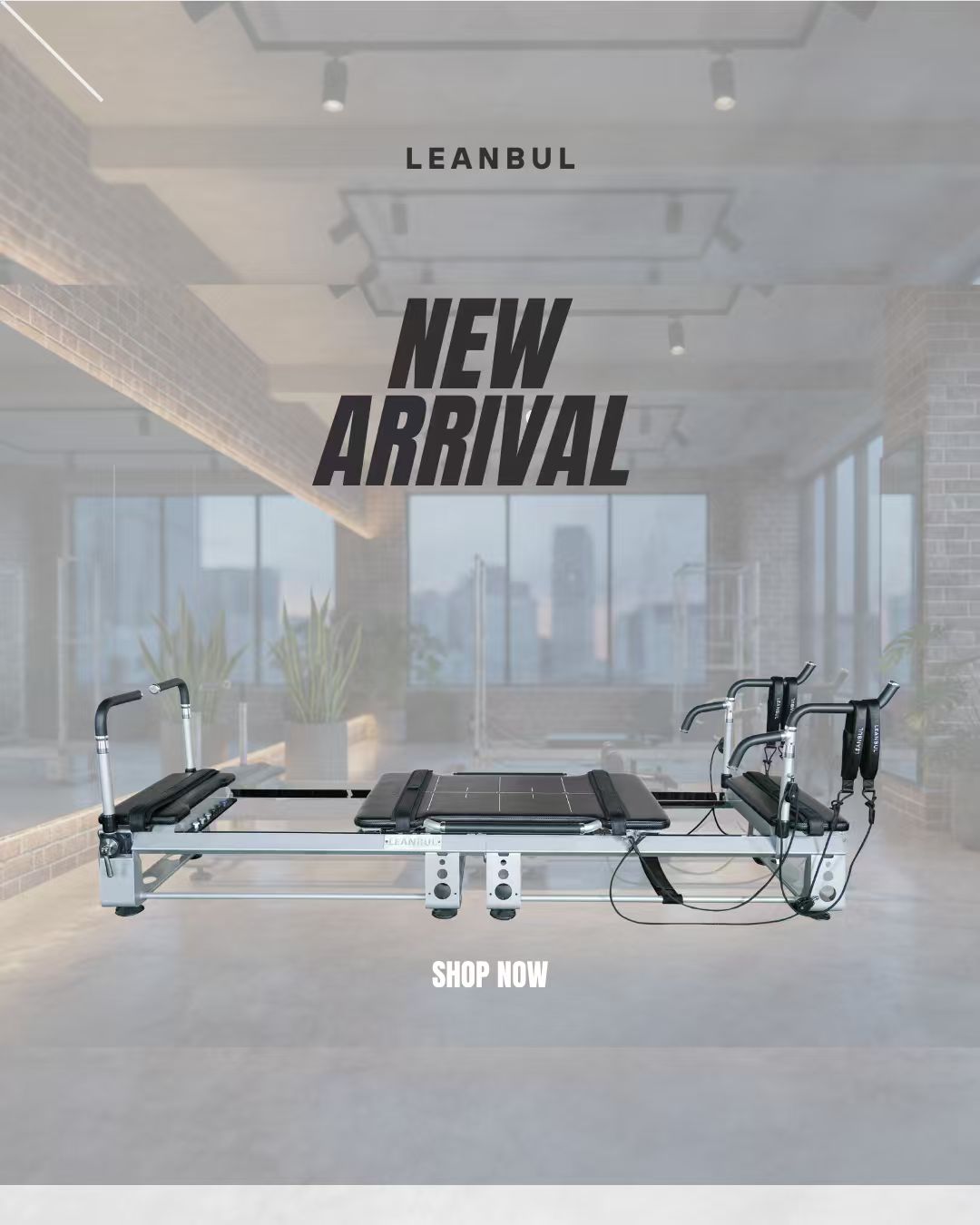
Contact us with your territory, the customers you currently serve and the volume you can realistically move, or start by looking at the full collection and our Pilates studio solutions. The K30 commercial reformer is the usual starting point for studio and gym fleets, with the K38 premium reformer for design-led rooms.
FAQ
How do I become a Pilates reformer distributor? Start by identifying the customers you can already reach, such as studios, gyms, clinics or hotels, then approach a manufacturer with that evidence rather than a general request. Most manufacturers will start you on non-exclusive terms and widen the agreement once you show volume.
Do I need to be a limited company to distribute Pilates equipment in Europe? Rules vary by country, but selling into businesses at this value almost always means operating through a registered entity with a VAT number. You will need the entity to buy under the reverse charge and to hold stock and credit properly.
What certifications should the reformers I distribute carry? Commercial machines should carry CE marking and be classified under EN ISO 20957, with Class S for commercial use. As a distributor you also have obligations under the General Product Safety Regulation (EU) 2023/988 to verify that the manufacturer and importer have met their duties.
What margins can I expect on Pilates reformers? It depends entirely on your model. Fleet pricing for European-made machines starts around €1,900 to €3,500 per unit, while studios pay roughly €2,800 to €6,500 before VAT. Subtract freight, installation, warranty reserve, spare parts, demos and marketing to reach your real margin, which is healthier on spec-led projects than on price-led online sales.
Is it better to buy from an EU manufacturer or import from outside the EU? For distribution, buying inside the EU removes customs duty and import clearance, keeps pricing in euros, and keeps VAT out of your working capital through the reverse charge. It also puts spare parts and warranty support inside the single market, which matters when a client’s machine is down.