Wood vs Aluminum Pilates Reformers: Which Frame Is Right for Your European Studio?
The wood vs aluminum pilates reformer question comes up in every studio buying conversation we have, and the honest answer is: neither material is objectively better. Wood and aluminum both produce excellent machines, and both produce terrible ones — the material is one factor among several, and the right choice depends on your studio type, your building, and your budget. What we can say clearly: for a high-traffic commercial studio in Europe, aluminum frames hold up better over a decade of daily use, while wood wins on warmth and classical aesthetics for boutique settings.
We build commercial reformers in Spain, and this guide covers what European studio owners actually need to weigh before choosing a frame — including the compliance, climate, and freight factors that most wood-vs-aluminum articles ignore.
Wood vs Aluminum Pilates Reformers: The Short Answer
| Your situation | Frame that fits | Why |
|---|---|---|
| High-traffic commercial studio, back-to-back classes | Aluminum | Consistent ride, easy cleaning, no humidity worries, lighter to move |
| Boutique studio selling a classical, warm aesthetic | Wood | Client perception, traditional feel, quieter visual presence |
| Rehab or physio practice | Either, usually wood | Warmth and low intimidation for patients; wood is common in clinical settings |
| Multi-location brand standardizing equipment | Aluminum | Identical performance across sites, simpler maintenance protocols |
| Studio without climate control (no AC, coastal area) | Aluminum | Wood moves with humidity swings; frames can warp and joints loosen |
| Single-owner studio where the machine is a showpiece | Wood | A well-made wooden reformer is beautiful for decades |
That table is a starting point, not a rule. Frame material matters less than how the machine is engineered — a flimsy aluminum frame is worse than a solid wooden one, and vice versa. Keep that in mind through the rest of this article.
What the Frame Actually Does
The frame is the reformer’s skeleton. It carries the rails the carriage glides on, anchors the springs, and absorbs the forces of every exercise. A frame that flexes under load makes the carriage ride feel imprecise; a frame that stays rigid keeps the machine predictable for years.
Two things determine frame quality more than material:
- Joint design. A wooden frame held together with basic screws will loosen; one with reinforced joints, proper glue-up, and metal brackets stays tight. Aluminum frames are usually welded or extruded, which removes joint failure as a failure mode almost entirely.
- Rails and carriage. The frame only matters as the base for a smooth, durable rail system. Our carriage and rail engineering is where the ride quality actually comes from — the frame just needs to stay out of the way and not flex.
So when you compare “wood vs aluminum,” you’re really comparing two engineering philosophies: natural material with character, or manufactured material with consistency.
Wood Reformers: Where They Excel, Where They Struggle
Pilates started on wood. Joseph Pilates’ original Universal Reformer was a wooden machine, and the classical tradition still runs through wood-framed reformers made by heritage brands and their modern successors. That heritage matters to clients: a wooden reformer reads as authentic, warm, and premium in a way metal rarely does.
What wood does well:
- Aesthetics and brand feel. A beech or maple frame signals craftsmanship. Boutique studios and classical pilates houses lean on this deliberately — the machine is part of the room’s atmosphere.
- Ride feel. Wood frames are heavier and naturally damp vibration. Many instructors describe a wooden reformer as feeling “grounded” or “quiet” under load.
- Client comfort in clinical settings. Physio practices often choose wood because it feels less intimidating and more therapeutic than a metal machine. Warmth and familiarity are part of the treatment environment.
- Longevity with care. A well-maintained hardwood frame genuinely lasts decades. The used market is full of 20-year-old wooden reformers still working.
Where wood struggles:
- Humidity and temperature sensitivity. Wood expands and contracts with moisture. In a studio without air conditioning — or near the coast, where summer humidity swings are severe — frames can warp, joints can loosen, and finishes degrade. We see this question constantly from studio owners in Mediterranean climates.
- Maintenance burden. Wood needs occasional conditioning, careful cleaning, and protection from scratches and sweat. It is not a “wipe and go” material.
- Weight. Wooden reformers are typically noticeably heavier than equivalent aluminum machines. That affects EU freight cost, moving the machine, and studio layout changes.
- Sourcing questions. If a manufacturer offers a wooden reformer, ask where the timber comes from. European buyers increasingly expect certified sustainable wood (FSC or PEFC). German wooden fitness brands like WaterRower and NOHrD built their reputations on FSC-certified hardwood, and the EU’s deforestation due-diligence rules are pushing the same scrutiny into more wood supply chains.
Aluminum Reformers: Built for High-Traffic Commercial Use
Most flagship commercial reformers sold in Europe today use aluminum frames — the Merrithew V2 Max line and Balanced Body’s Allegro are the two most obvious examples. That’s not a coincidence; it’s a response to what commercial operators need.
What aluminum does well:
- Consistency. Every machine from a batch behaves identically, which matters when instructors rotate across a studio floor or a brand operates multiple locations.
- Low maintenance. Powder-coated aluminum wipes clean, doesn’t absorb sweat, and has no finish to maintain. In a studio running ten classes a day, that’s real labor saved.
- Stability in any climate. Aluminum doesn’t swell, warp, or care about humidity. A studio without AC in Valencia will have the same machine performance in August as in January.
- Weight. Aluminum frames are lighter, which cuts EU freight cost and makes reconfiguring a studio floor practical.
- Modern look. Clean lines and a technical aesthetic fit studios that position pilates as performance training rather than classical practice.
Where aluminum struggles:
- Perceived warmth. Some clients find metal machines cold or clinical compared to wood. This is a perception issue, not a performance one, but perception drives bookings.
- Noise. Poorly built aluminum machines can rattle or ring. Well-engineered ones don’t — bushing quality, rail tolerance, and spring mounts determine this. If you test a machine and it’s noisy, that’s a build-quality problem, not an aluminum problem.
- Less forgiving of abuse. Dents and scratches on metal are permanent; wood can often be refinished.
Wood vs Aluminum: Side-by-Side Comparison
| Factor | Wood frame | Aluminum frame |
|---|---|---|
| Stability under load | Excellent; heavy and grounded | Excellent; rigid, no flex when well built |
| Ride feel | Damped, quiet, “classical” | Precise, consistent; depends on rail quality |
| Maintenance | Periodic conditioning; finish care | Wipe clean; essentially none |
| Humidity sensitivity | High — can warp in uncontrolled climates | None |
| Weight | Heavier | Lighter |
| EU freight cost | Higher (weight-based) | Lower |
| Aesthetics | Warm, traditional, premium | Modern, technical, clean |
| Longevity | Decades with care; refinishable | Decades; durable coating |
| Cost | Often a retail premium | Competitive at commercial scale |
| Best for | Boutique, classical, rehab settings | High-traffic commercial, multi-location, warm climates |
The European Factors Most Guides Miss
Most wood-vs-aluminum articles stop at aesthetics and maintenance. For a studio in the EU, four more things matter:
1. CE marking and EN ISO 20957-1 apply to both materials. Whatever frame you choose, a commercial machine must be Class S rated and CE marked with a declaration of conformity and test reports. The material doesn’t change the compliance requirement. Our CE certification guide explains what documents you should demand.
2. GPSR requires a European economic operator. Since December 2024, fitness equipment sold in the EU must have an economic operator based in Europe for safety contact and traceability under Regulation (EU) 2023/988. This matters more than frame material when choosing a supplier — buy from a manufacturer who can name their EU entity.
3. EU freight is priced per kilo. A wooden reformer’s extra weight directly increases your delivered cost. Our EU delivery guide breaks down how freight is quoted; the difference between a 60 kg and a 45 kg machine across a 2,000 km intra-EU route is real money, especially if you’re ordering a full studio of eight reformers.

4. Sustainability is becoming a procurement question. Corporate wellness buyers and hotel groups increasingly ask about environmental footprint. FSC-certified wood has a strong story; aluminum has strong recyclability (roughly 75% of all aluminum ever produced is still in use). Either answer can be a good answer — the problem is manufacturers who can’t answer at all. Ask for documentation regardless of material.
What We Build at Leanbul — and Why
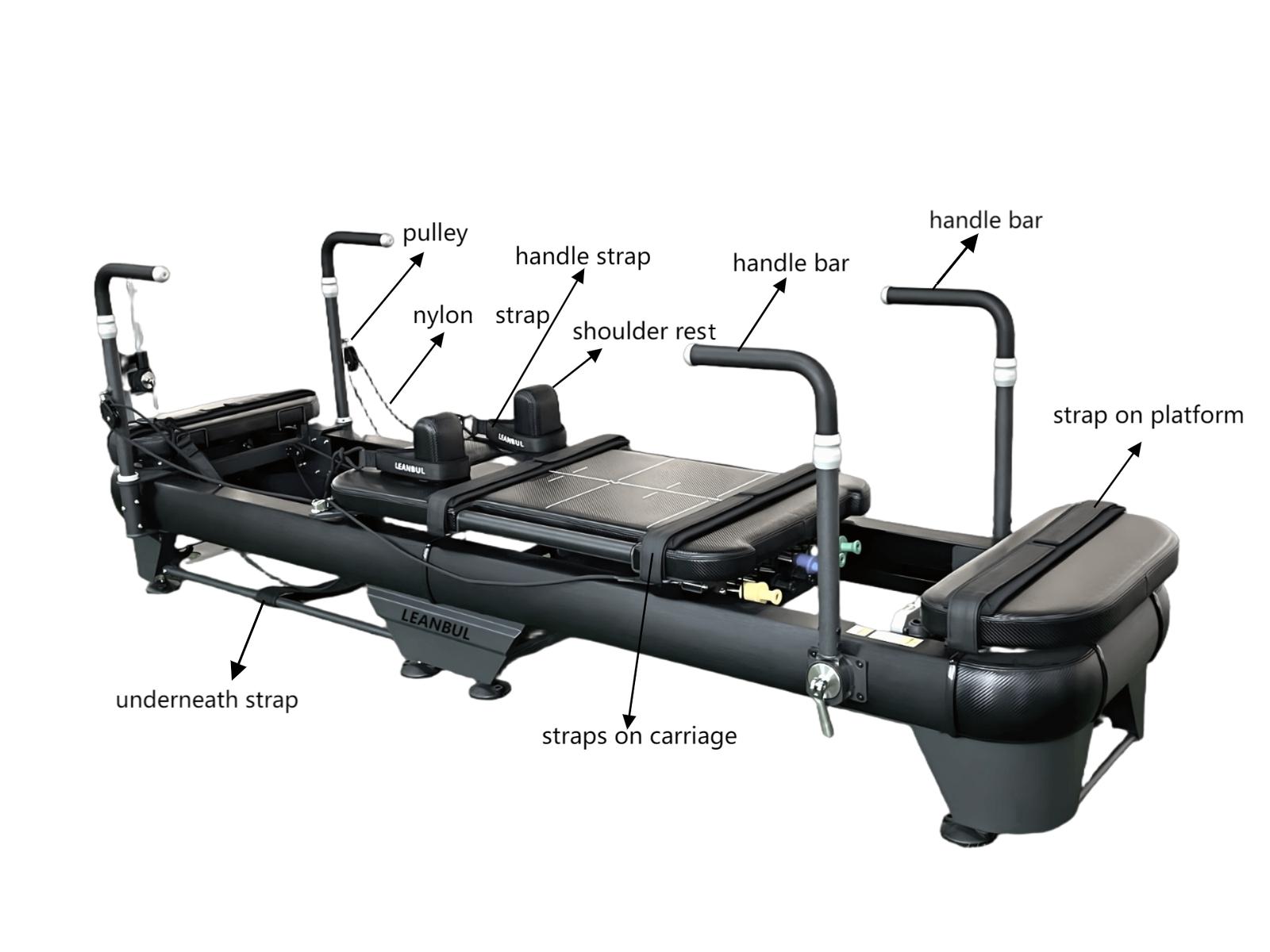
Leanbul manufactures reformers in Spain, and our commercial line — the K30 and the K38 — uses aluminum frames. We made that choice deliberately, for the reasons above: consistency across production batches, minimal maintenance for operators running daily classes, no humidity sensitivity across Europe’s varied climates, and lower freight weight for EU customers.
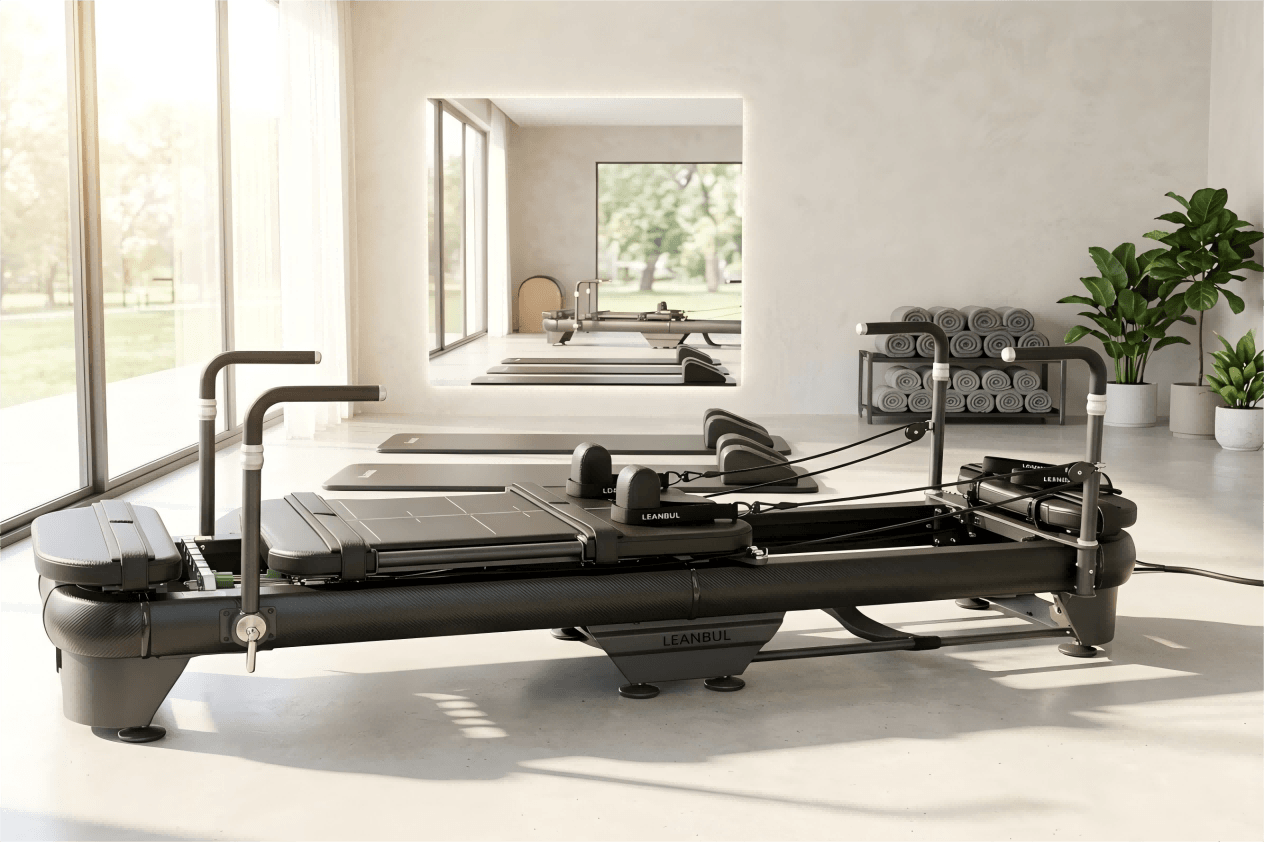
That doesn’t mean we think wood is wrong. If your studio’s brand is classical pilates, or your clients respond to warm materials, a quality wooden reformer is a legitimate choice. What we’d push back on is buying wood for tradition without checking the climate and maintenance reality, or buying aluminum for “commercial” without checking the build quality. Material is a decision input, not a shortcut.
Every Leanbul machine ships CE certified under EN ISO 20957-1 Class S, with EU-stocked spare parts and warranty support enforced from Europe — the after-sales commitments that keep a commercial machine running. Our warranty guide covers what a fair manufacturer agreement looks like.
How to Decide: A Working Checklist
- Count your daily classes. More than six classes a day, every day → prioritize durability and low maintenance; aluminum has the edge.
- Check your building. Coastal, humid, or no air conditioning → wood is a risk; aluminum removes the variable entirely.
- Define your brand. Classical, warm, heritage → wood supports the story. Modern, performance, technical → aluminum.
- Test the ride, not the material. A noisy or sticky machine is badly built regardless of frame. Glide quality, spring resistance range, and adjustability matter more than what the frame is made of.
- Price the delivered cost. Compare landed cost per machine, including EU freight, not shelf price. Our cost guide shows the full picture for European buyers.
- Demand the documents. CE declaration, EN ISO 20957-1 test reports, GPSR economic operator, and — for wood — timber certification. No documents, no deal.
- Check the spare parts situation. Springs, ropes, and pads wear out on both materials. Confirm EU-stocked spares before you buy, not after.
FAQ
Is a wood or aluminum pilates reformer better?
Neither is objectively better. Wood wins on aesthetics, warmth, and classical feel; aluminum wins on maintenance, climate stability, and consistency for high-traffic commercial use. Match the material to your studio type and building conditions.
Do wooden reformers need more maintenance?
Yes. Wood requires occasional conditioning, careful cleaning, and protection from humidity and scratches. Aluminum frames are essentially wipe-clean. In a busy studio, that difference shows up as real labor over a year.
Are aluminum reformers noisier than wooden ones?
Only if they’re badly built. Noise comes from rail tolerance, bushings, and spring mounts, not the frame material itself. A well-engineered aluminum reformer is quiet; test the machine before you commit.
Which frame do commercial studios in Europe actually use?
Most high-traffic commercial operators use aluminum-framed machines (Merrithew’s V2 Max line and Balanced Body’s Allegro are the most common examples), while boutique and classical studios often favor wood. Both are legitimate at commercial grade under EN ISO 20957-1 Class S.
Does the frame material affect CE certification?
No. Both wood and aluminum reformers must meet the same EU compliance requirements: CE marking, EN ISO 20957-1 Class S for commercial use, and a GPSR economic operator based in Europe. The documents matter more than the material.
Equip Your Studio With a Reformer Built for European Commercial Use
Leanbul builds aluminum-frame commercial reformers in Spain — CE certified, Class S rated, with EU-stocked spare parts and warranty support from Europe. Whether you’re opening a boutique studio, scaling a multi-location brand, or standardizing equipment across a group, we’ll help you match the machine to your space, climate, and budget. See the reformer collection, compare the K30 and K38, or contact us to talk through your studio’s requirements.