Pilates Reformers for Personal Trainers in Europe: What to Buy, Where to Set Up, and What It Costs (2026)
If you are a personal trainer in Europe and you are wondering whether a pilates reformer is worth the investment for your own business, the short answer is yes, with one condition: buy a commercial-grade machine, not a home model. A pilates reformer for personal trainers turns a one-person service into a premium offering that clients pay €60–90 per session for, and a CE-certified commercial reformer built to EN ISO 20957-1 will handle daily one-on-one work for a decade or more. The machine pays for itself within roughly 60–70 sessions, and the setup can be as simple as one reformer in a rented room. This guide covers what to buy, where to run sessions, and the real numbers behind the decision, from a Europe-based manufacturer’s perspective.
Why Personal Trainers Are Adding Reformers in 2026
The European fitness market keeps growing, and the equipment side of it is growing with it. EuropeActive and Deloitte’s European Health & Fitness Market Report 2026 counts 67,515 fitness clubs across the continent, 75.5 million members, and €39.1 billion in annual revenue. Within that market, reformer pilates has moved from a niche studio method to something clients actively search for. A trainer who can offer reformer work stops competing on generic “personal training near me” and starts competing on a specific, higher-value skill.
For a personal trainer, the strategic logic is simple:
- Higher rates. One-on-one reformer sessions consistently price above general PT work in most European cities, because the equipment, the skill, and the space all read as premium.
- Differentiation. Most PTs work with dumbbells, kettlebells, and mats. The trainer with a reformer offers something the others cannot.
- Rehab crossover. Clients with back pain, joint issues, or post-injury goals are referred to reformer work by physiotherapists. A trainer with a reformer can take those clients directly.
- Retention. Reformer clients tend to book recurring sessions, which gives a self-employed trainer predictable monthly income instead of a churn of short programs.
None of this requires opening a full studio. That is the key difference between this path and a studio launch: you can start with one machine.
Five Ways a Personal Trainer Can Run Reformer Sessions in Europe
Before buying anything, decide where the machine will live. The business model determines which reformer you need.
- Rent a room in an existing studio or gym. Many pilates studios and physio clinics rent floor space by the hour to independent trainers, often with a revenue split or a monthly fee. You bring your own reformer, insure it, and keep your own clients. This is the lowest-risk start and the most common one.
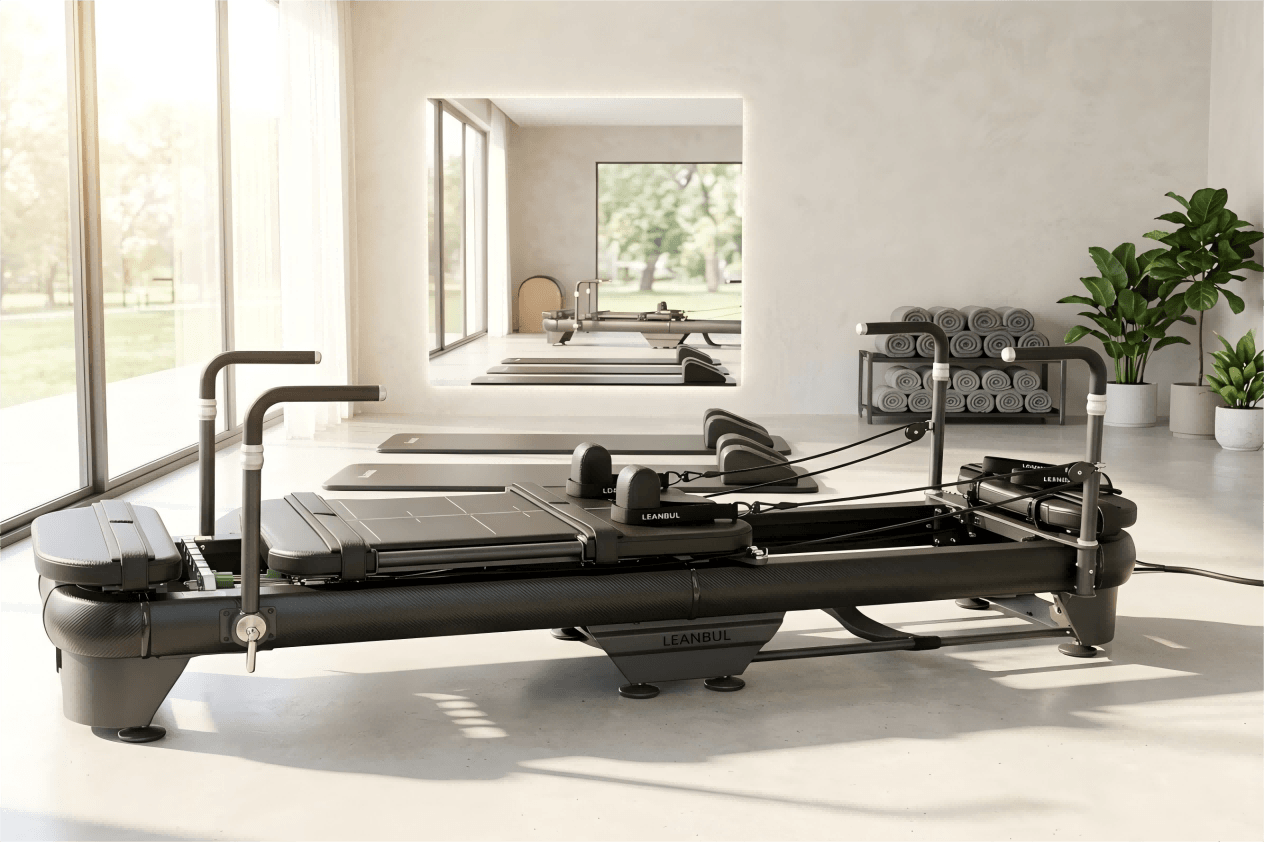
- Turn a room at home into a micro-studio. A reformer needs roughly 3 × 2 metres of clear floor space plus access around it. If you have a ground-floor room or a studio annex, a single machine can host 20–30 sessions a week without a commercial lease. Check local zoning and insurance rules first.
- Partner with a physiotherapy or rehabilitation clinic. Clinics increasingly want reformer capacity but do not always want to own the equipment. A trainer who supplies the machine and the expertise can build a referral engine on both sides.
- Bring the reformer to the client. High-end private clients will pay for a reformer set up in their own home for a block of sessions. It is a niche, but a real one: executives and older clients who will not visit a gym pay well for a reformer set up in their own living room.
- Negotiate a hire arrangement with a gym. Large gyms are adding reformer zones and often lack trained staff. Some will host an independent trainer’s sessions in exchange for a share of the fee, letting the gym test reformer demand without buying machines.
What all five models share: you own the equipment, so the machine choice is yours alone, and the machine is a business asset rather than a studio’s shared inventory.
Why a Trainer Should Buy Commercial-Grade, Not a Home Machine
Home reformers are cheaper, fold away, and look fine in a living room. For professional use they are the wrong tool. A reformer used by one person a few times a week faces a completely different workload from one used by 8–12 different clients a day, with bodies of very different sizes, on springs that are adjusted dozens of times per session.
| Factor | Home reformer | Commercial reformer (EN ISO 20957-1 Class S) |
|---|---|---|
| Typical price, new | €300–1,500 | €3,000–6,500 |
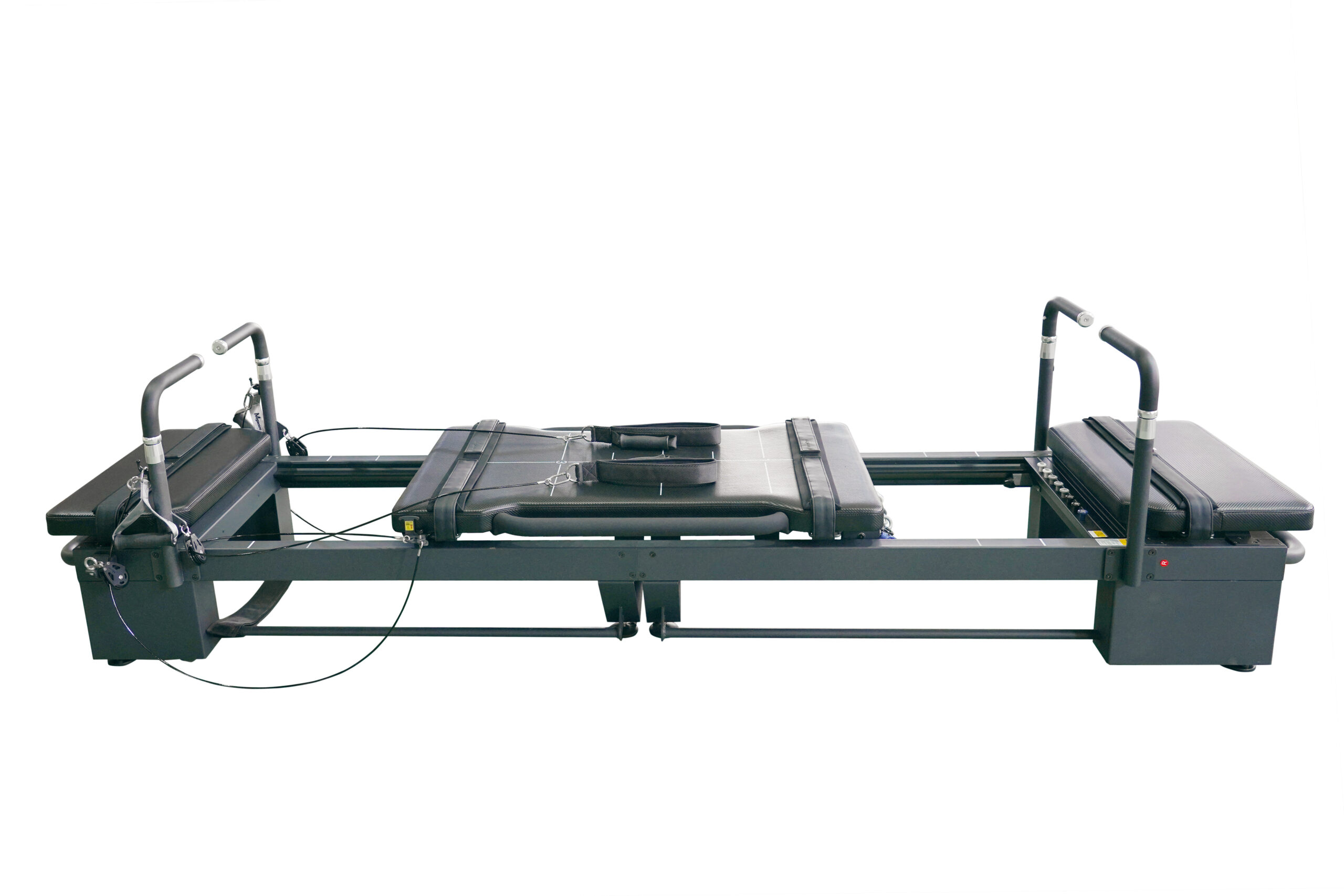
| Frame | Light steel or plastic parts | Reinforced aluminum or heavy steel, built rigid for years of daily use |
| Springs | 2–3 basic springs, sometimes cords | 4–6 calibrated springs, colour-coded, tested to fatigue standards, replaceable |
| Carriage and rails | Lightweight, play develops fast | Precision rails and sealed bearings rated for high repetition |
| Rated workload | Class H (home use, occasional) | Class S (studio/commercial, daily use) |
| Documentation | Often none beyond a manual | CE marking, Declaration of Conformity, test reports |
| Resale value | Low, depreciates quickly | Strong; studios and trainers buy good used commercial machines |
The standard matters more than the marketing. EN ISO 20957-1 is the European safety standard for strength training equipment, and it classifies reformers by intended use: Class H for home, Class S for studio and commercial settings. A machine rated Class S has been designed and tested for the abuse of daily professional use. If you are charging clients to train on your equipment, you want the machine that was engineered for that job.
There is also the insurance angle. Professional liability and equipment insurance for trainers is standard practice in Europe, and insurers look at whether equipment is CE marked and compliant with the relevant standard. A home machine used commercially is exactly the kind of grey area that causes problems when something goes wrong. Buy the commercial machine, keep the Declaration of Conformity on file, and you remove an entire category of risk.
What to Check Before You Buy: A Personal Trainer’s Checklist
When you compare reformers as a trainer, rather than as a studio owner buying a fleet, the priorities shift slightly. You need one machine that works hard, serves clients of very different sizes, and causes you minimal admin.
- CE marking and documents. Ask for the Declaration of Conformity and the EN ISO 20957-1 test classification before you pay. Any reputable European supplier provides both without hesitation.
- Rated weight capacity. Confirm the carriage rating covers your largest clients with margin. If you train heavier clients, this is a deal-breaker criterion, not a nice-to-have.
- Spring range and adjustability. You will work with beginners who need light resistance and advanced clients who need the full stack. Colour-coded springs that clients can adjust themselves keep sessions flowing.
- Carriage smoothness. The ride quality comes from the rails and bearings. Test the machine: the carriage should glide silently and stop precisely.
- Frame and finish. For a rented room or a home micro-studio, a machine that looks professional matters. It is part of what justifies your session price.
- Noise. If you train in an apartment building or a shared space, a quiet machine is a courtesy and a practical requirement.
- Spare parts and support inside the EU. Springs wear out, and they wear faster under daily use. Buy from a supplier who stocks parts in Europe and can ship a replacement set in days, not weeks.
- Delivery and assembly. A commercial reformer weighs 60–90 kg. Confirm what the delivery price includes: curbside drop, room placement, assembly, and disposal of packaging. Our guide to pilates reformer delivery in Europe walks through what to expect.
- Warranty that covers business use. Some warranties quietly exclude commercial use. Read the terms, and check what is covered on the frame versus the springs, which are wear items. See our European warranty guide for what to demand.
What a Reformer Setup Actually Costs a Trainer
Let us put real numbers on the decision. The figures below are illustrative ranges for Western Europe, not a quote, but they reflect what trainers report and what our clients see in practice.
| Item | Typical range (EUR) | Notes |
|---|---|---|
| Commercial reformer, new | €3,000–6,500 | CE-certified, Class S. Buying from a Spain-based manufacturer avoids import duty and simplifies VAT. |
| Room rent or revenue share | €200–800/month | Shared space, gym, or clinic arrangement |
| Insurance | €150–500/year | Professional liability plus equipment cover |
| Springs and minor parts | €120–250 per set | Springs are wear items under daily use |
| Session price, one-on-one reformer | €60–90 | Varies by city and market position |
The break-even math is the part trainers find most convincing. Assume a €4,500 machine and €300 per month in space and running costs. At €70 per session, with the trainer keeping the full fee, the machine pays for itself in about 65 sessions before you even count the tax advantages of a depreciating business asset. A trainer running three reformer sessions a day, five days a week, reaches that in about a month of full book. From then on, the reformer is a profit centre that does not eat into the trainer’s own body the way a full day of hands-on PT does.
The Money Side: VAT and Tax Notes for Self-Employed Trainers
Buying a reformer as a self-employed trainer in Europe is usually a straightforward business expense, but the tax mechanics differ depending on where you buy from.
- Buying within your own country. You pay the local VAT rate and can typically reclaim the input VAT if you are VAT-registered. The machine is then depreciated over its useful life, usually several years.
- Buying from another EU country. As a business, you may benefit from the intra-EU acquisition rules, where VAT is handled via reverse charge rather than charged at the supplier’s rate. This is standard B2B practice and removes one of the big advantages of buying from outside the EU, where import VAT and customs duty apply on top of the price. Our guide to importing a reformer into Europe explains the landed-cost difference in detail.
- Financing. If cash flow is tight at the start, equipment leasing and financing options exist for self-employed trainers in most European countries. We covered reformer leasing and financing in Europe separately.
The practical takeaway: buying from a manufacturer inside the EU simplifies everything downstream. No customs clearance, no EORI paperwork, no surprise import fees, and a VAT structure designed for intra-EU business purchases.
Insurance and Paperwork: CE, the Declaration of Conformity, and Your Liability
When you train clients on equipment you own, you carry the responsibility for that equipment. In practice that means three things:
- The reformer is CE marked and compliant with EN ISO 20957-1 Class S for professional use.
- You hold the Declaration of Conformity and any test reports from the manufacturer.
- You keep a simple maintenance log: spring checks, tightening, cleaning, and any part replacements, dated.
That paperwork sounds bureaucratic until you need it. If a client is injured, if an insurer asks questions, or if a landlord or gym owner wants proof that your equipment is professionally certified, a folder with the Declaration of Conformity and a maintenance log ends the conversation immediately. If the manufacturer cannot produce these documents for their own machine, walk away. For a fuller picture of what CE certification does and does not mean, read our CE certification guide for EU studios.
FAQ
Can a personal trainer buy a reformer as a business expense? Yes. If you are registered as self-employed or a business and the reformer is used for client sessions, it is capital equipment: you can reclaim input VAT where applicable and depreciate the machine over its useful life. Keep the invoice and the proof of professional use.
Is a home reformer ever acceptable for a personal trainer? Only for your own practice, never for paid client work. Paid sessions on a Class H machine expose you to liability and will not survive daily use. The price gap between home and commercial machines exists for engineering reasons, and as a professional you are on the commercial side of that line.
Can I start with one reformer? Yes. One commercial reformer in a rented room is the standard entry point. Many trainers run 20–30 sessions a week on a single machine, then add a second machine or a tower when the booking calendar justifies it.
How much space does a reformer setup need? A reformer is about 2.4 metres long and needs clearance at both ends for the carriage to travel and for you to work around the client. Plan for a clear area of roughly 3 × 2.5 metres. If space is tight, look at our guide to pilates reformers for small spaces and studios.
Do I need pilates certification to offer reformer sessions? Legally, requirements vary by country, and some European countries regulate who may teach. Practically, clients expect real training, and European qualifications frameworks such as EuropeActive’s EREPS register make it easy for clients to verify a trainer’s credentials. If you are a general PT adding reformer work, invest in a recognized reformer training program before you charge for it.
The Bottom Line for Trainers
A reformer is the single best equipment investment most personal trainers can make, because it upgrades what you sell rather than just adding inventory. One commercial-grade, CE-certified machine, a rented room, and a recognized training certification give you a premium service line that most trainers in your city cannot offer. Buy commercial, not home. Buy from a manufacturer who can prove compliance and support the machine from inside the EU. And run the break-even math before you sign anything, because it is almost certainly better than you expect.
Leanbul is a Spain-based manufacturer of commercial pilates reformers, CE certified and rated to EN ISO 20957-1 Class S, with spare parts stocked in the EU and warranty support handled from Europe. For a single machine or a small fleet, compare the K30 commercial reformer, the K38 premium model, and the K11 in the full collection, or explore our studio solutions if your plan grows into a multi-machine space. Contact our team for a quote with delivery and VAT handled for your country.