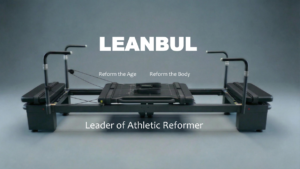
How Much Does a Pilates Reformer Cost in Europe? (2026 Pricing Guide for Studios)
If you run a Pilates studio in Europe, the reformer price tags you see online are almost always American. US pricing, US shipping, US taxes — and it does not translate. So here is the direct answer for European buyers: a new commercial-grade reformer costs roughly €2,800 to €6,500 per machine in 2026, with most studios paying €3,200–€5,000. Buy five or more units directly from a manufacturer and the per-machine price typically lands at €1,900–€3,500 depending on model and configuration. Used commercial machines sell for €1,200–€3,000, with the usual trade-offs.
The rest of this guide breaks down what sits behind those numbers in Europe specifically: VAT, CE compliance, freight from outside the EU, and why the same machine can cost very different amounts in Germany, France, or Spain.
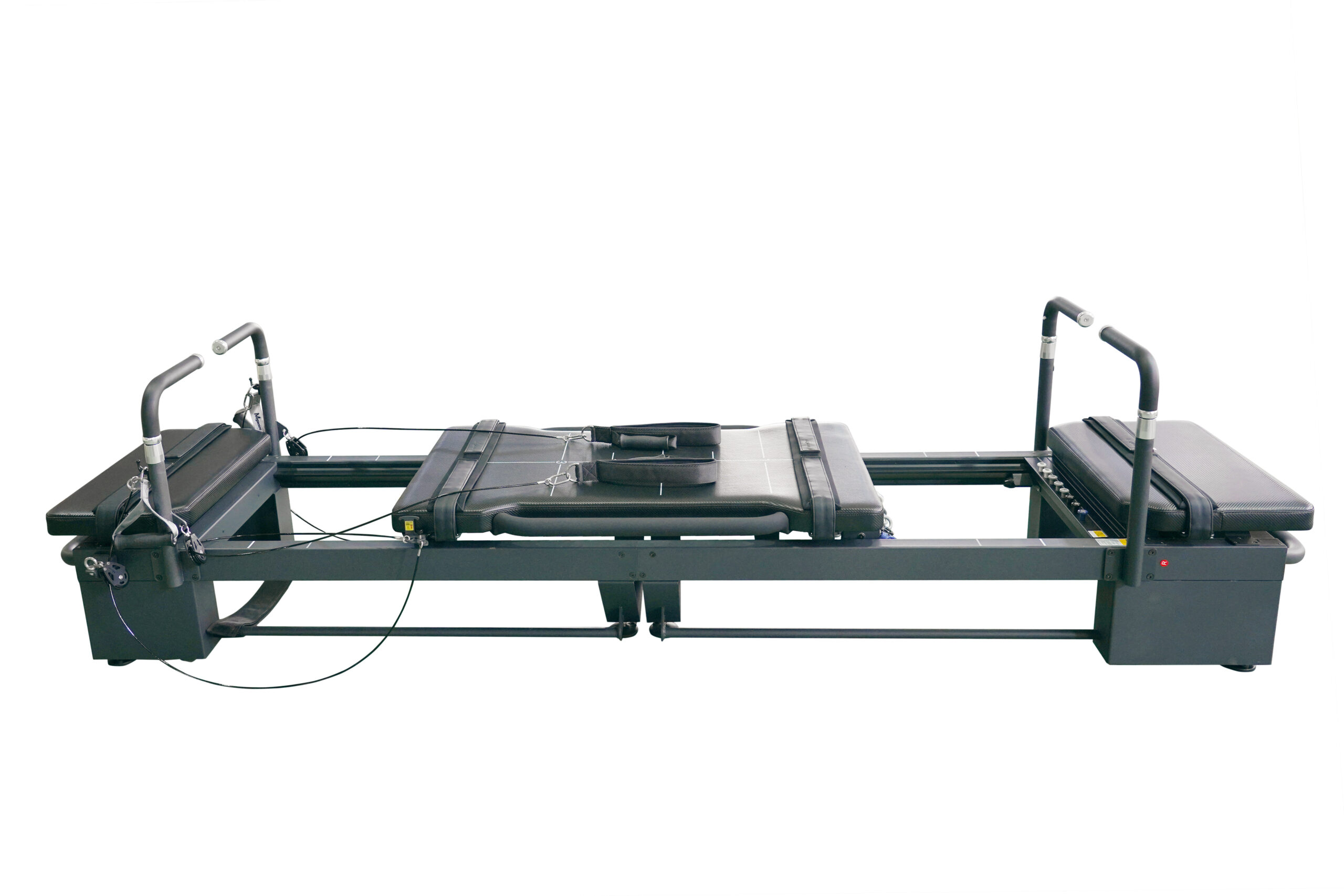
Commercial Reformer Price Tiers for the European Market
| Tier | Typical Price (per unit, ex-VAT) | Who It Is For |
|---|---|---|
| Home / entry machines | €400–€1,200 | Personal use, light training |
| Prosumer reformers | €1,500–€2,800 | Home studios, solo instructors |
| Commercial entry | €2,500–€4,000 | Small studios, single-room setups |
| Premium commercial | €4,000–€6,500 | Boutique and high-volume studios |
| Manufacturer-direct (5+ units) | €1,900–€3,500 per unit | Studios, chains, distributors buying in bulk |
| Used commercial machines | €1,200–€3,000 | Budget-conscious new studios |
Prices are 2026 market estimates and vary by country, model, and order volume. The figures above are before VAT — which matters more in Europe than almost anywhere else, because rates run from 17% to 27% depending on the country.
Why European Prices Differ From US Prices
A reformer that retails for $4,500 in the US can cost more or less in Europe, and not for the reasons you might expect.
- VAT: European prices are usually quoted ex-VAT for business buyers (studios can reclaim VAT in most EU countries), but a private buyer pays 17–27% on top. Always confirm whether a quote includes VAT.
- CE marking and EN ISO 20957: commercial equipment sold in the EU must meet CE requirements, and testing and documentation are part of the manufacturing cost. A machine without proper EU compliance documents is cheaper for a reason — and legally risky for a studio.
- Freight and import duties: reformers shipped from outside the EU pay import duty plus shipping and customs handling. A container from Asia adds weeks and thousands of euros before the machines reach a warehouse.
- Currency and local markup: distributors in different EU countries price the same machine differently based on local demand, rent, and service commitments. Comparing quotes across borders is worth doing.
What Drives the Price of a Commercial Reformer
| Factor | Budget Machines | Premium Commercial Machines |
|---|---|---|
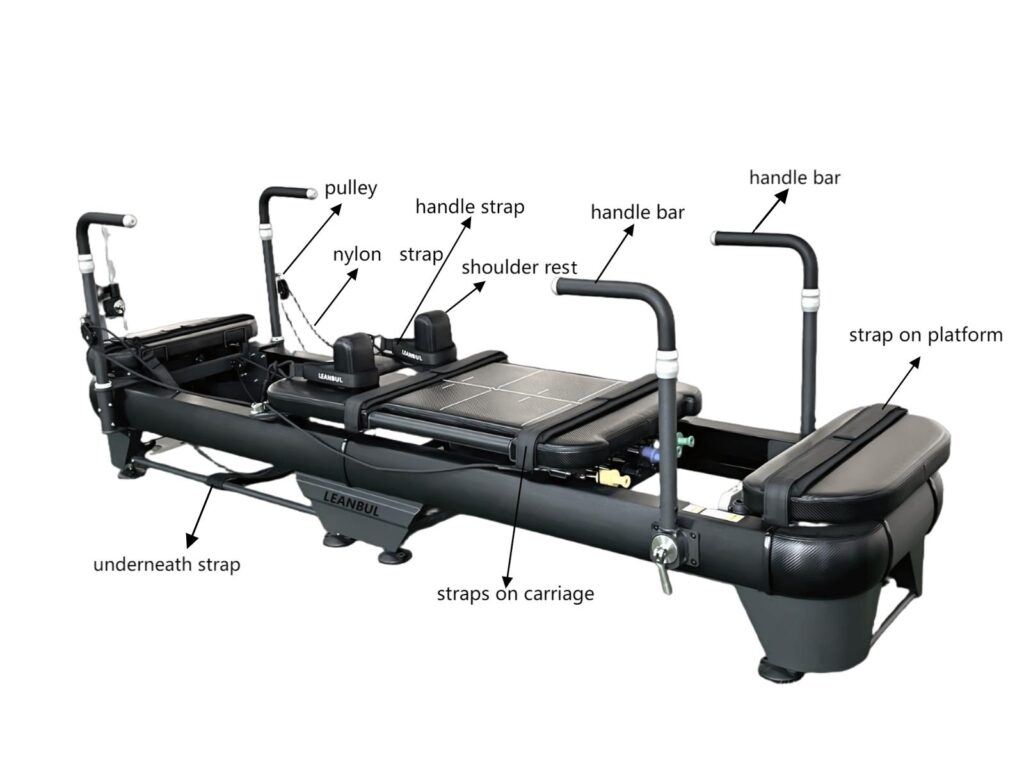
| Frame | Thin steel, painted | Reinforced aluminum or heavy steel, corrosion-treated |
| Resistance | Cords or 2–3 springs | 4–6 calibrated springs, easy adjustment |
| Carriage and rails | Single rail, basic wheels | Precision rails, sealed bearings |
| Verstellbarkeit | Fixed headrest/footbar | Multi-position headrest, adjustable footbar, optional tower |
| EU compliance | Often undocumented | CE, EN ISO 20957, test reports |
| Warranty | 6–12 months | 2–5 years structural, spare parts support |
| Supply chain | Importer/distributor markup | Manufacturer-direct (bulk purchases) |
When comparing quotes, ask suppliers to itemize the frame material, spring specification, and certification documents. A suspiciously low price usually means one of those three was cut.
The Real Cost per Machine Over Five Years
The purchase price is the headline, but running costs decide the real number. A commercial reformer in daily use needs:
- Spring replacement: €120–€250 per full set of quality springs; heavy-use studios replace them every 1–2 years.
- Carriage wheels, ropes, and padding: €80–€250 per machine per year as wear items.
- Downtime: a broken reformer costs class capacity. Machines with easily sourced spare parts and responsive warranty support protect your schedule.
A €4,500 commercial reformer that runs reliably for 8–10 years is cheaper per training hour than a €1,500 machine that fails in year two. European studios that buy on sticker price alone usually end up paying twice — once at the till, once in repairs and lost classes.
Buying Multiple Units: Volume and Manufacturer-Direct Pricing
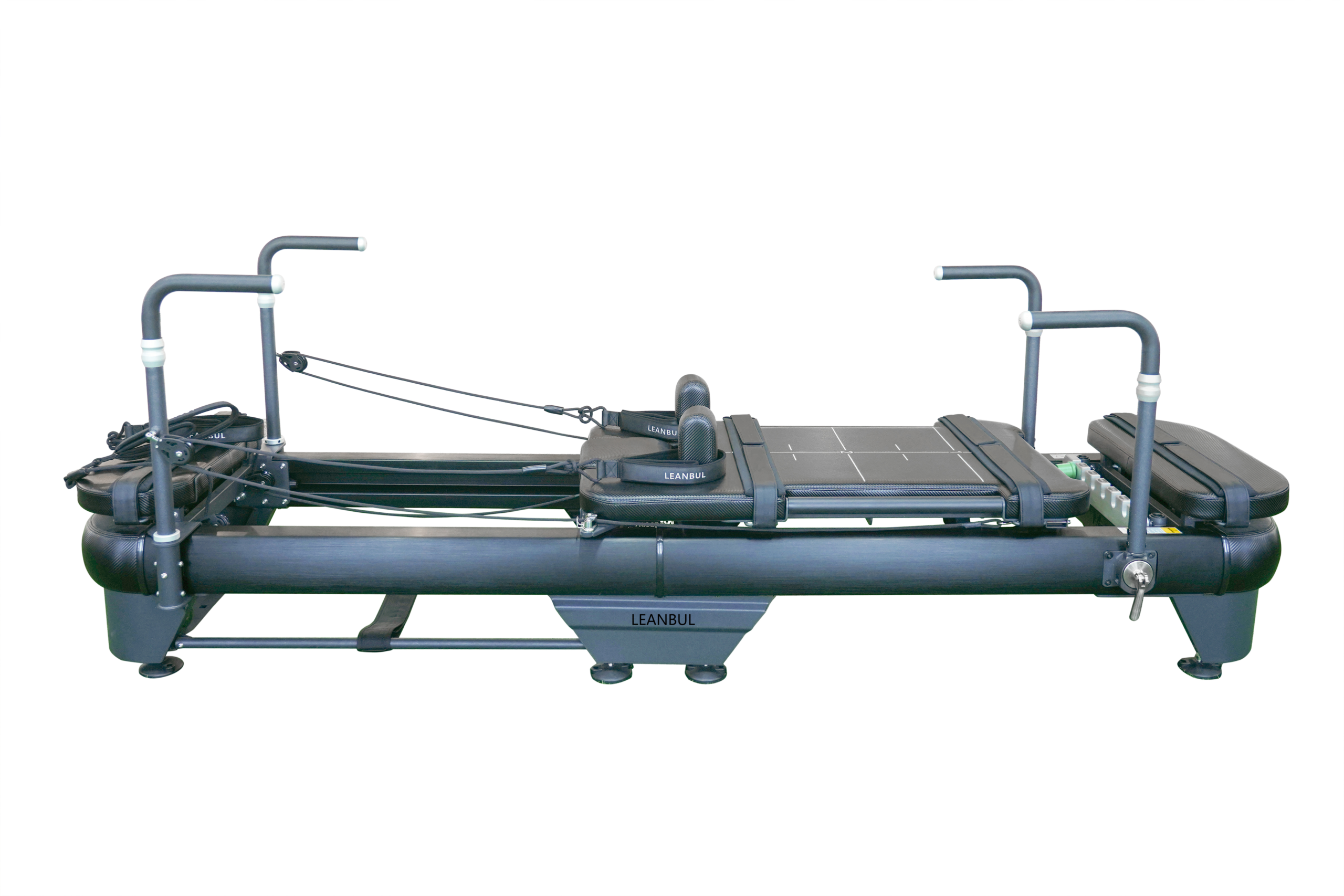
Most European studios equip several reformers at once, and that changes the pricing picture completely. From around five units, you are buying wholesale, not retail.
- Volume pricing starts at 5 units with most manufacturers and improves at 10, 20, and 50 units.
- Buying manufacturer-direct removes distributor markup — the biggest single price lever for a studio.
- Configuration moves the price more than quantity: a basic model with standard springs costs far less than a fully loaded machine with tower, jumpboard, and premium padding.
- For bulk orders, freight is usually container-based, which makes the per-unit shipping cost drop sharply as the order grows.
The paper math is worth doing. Ten premium commercial reformers bought at retail in the EU can total €40,000–€55,000. The same ten machines bought manufacturer-direct often come in between €22,000 and €35,000. That difference funds extra machines or a couple of years of spring replacements.
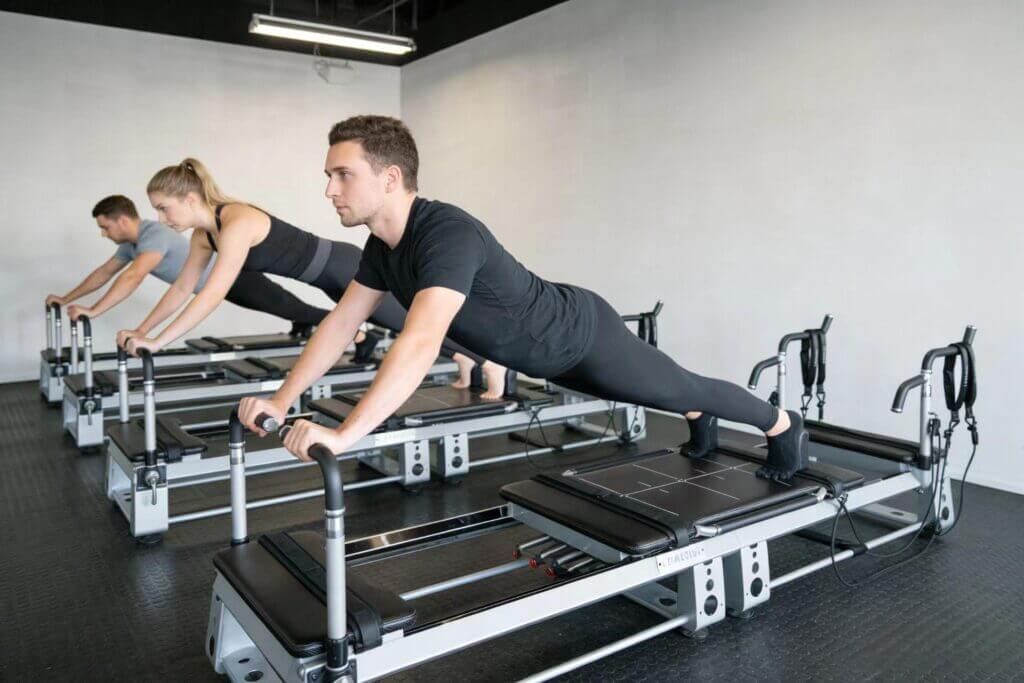
European-Specific Costs That Get Missed
- VAT handling: make sure quotes state whether prices are ex-VAT or inc-VAT, and whether you can reclaim it as a business.
- Freight within Europe: €250–€700 per machine for individual delivery depending on distance; bulk orders are quoted per container.
- Accessories: boxes, jumpboards, towers, rings, and rollers add €150–€1,000 per machine depending on configuration.
- Import duties: if you buy from outside the EU, get a landed-cost quote (goods + freight + duty + customs handling) before signing anything.
- Spare inventory: keep spare springs, ropes, and padding from day one. Ordering replacements after a breakdown means downtime.
Used vs. New in Europe
The used market in Europe is active, and a lightly used machine from a studio that closed can be a genuine bargain — especially if you can inspect it in person, which is easier within the EU than with overseas purchases. The risks are the same as anywhere: spring wear is expected and cheap to fix, but frame fatigue and rail damage are not always visible in photos, and a used machine bought without warranty is a gamble. Budget for a full spring replacement and a professional inspection before a used machine teaches its first class.
Budgeting Scenarios for a New European Studio
| Studio size | Reformers | Realistic equipment budget (ex-VAT) |
|---|---|---|
| Small boutique (2–3 stations) | 3 | €8,000–€16,000 |
| Standard studio (4–6 stations) | 5 | €13,000–€27,000 |
| Full-size studio (8–12 stations) | 10 | €22,000–€50,000 |
| Multi-room / chain (20+ stations) | 20+ | €40,000–€95,000 |
The ranges reflect retail versus manufacturer-direct sourcing. A studio that negotiates on volume can realistically stay at the lower end.
FAQ
Is a €2,000 commercial reformer good enough for a European studio? It can be, if the frame and springs are genuinely commercial-grade and the machine carries proper EU compliance documentation. At that price you are usually looking at manufacturer-direct wholesale pricing or a stripped configuration. Compare frame material, springs, and warranty against a premium machine before deciding.
Do I have to pay VAT on a reformer for my studio? Businesses in most EU countries can reclaim VAT on equipment, so quotes for studio buyers are often ex-VAT. Always ask for both figures and check your local rules before budgeting.
Why is the same reformer cheaper in Spain than in Germany? Distributor markup, local demand, and service commitments vary by country. Comparing quotes across the EU is normal practice for studio owners — and buying manufacturer-direct removes most of the variation.
Do reformer prices drop with quantity in Europe? Yes. Manufacturers typically offer volume pricing from around 5 units, with better rates at 10, 20, and 50 units. Bulk orders also reduce per-unit shipping when freight is container-based.
What certifications should a reformer have to be sold in the EU? CE marking and EN ISO 20957 compliance are the relevant standards for commercial equipment. Ask any supplier for the certificates and test reports in writing before you order.
What to Do Next
Now that you have a realistic European budget range, the next step is comparing actual quotes. Leanbul is a Spain-based Pilates reformer manufacturer serving professional studios, fitness chains, and distributors across Europe and beyond. Browse the reformer collection or contact us with your machine count and configuration — we will send you an itemized quote in euros, with CE documentation and freight options included, so you know the landed cost before you commit.