Used vs New Pilates Reformers for Studios: An Honest Cost Breakdown
The used vs new pilates reformer decision usually starts with a price: a used pilates reformer for sale typically costs 30–50% less than the same machine new, and for a home buyer that saving often makes sense. For a commercial studio the honest answer is different: unless you’re buying an inspected ex-demo unit with a warranty, a new reformer is usually the cheaper machine over five years. The parts that wear out on a used reformer — springs, ropes, bearings — are exactly the parts that take your studio offline when they fail, and a machine that sits broken costs you class revenue, not just repair bills.
This guide is written for European studio owners weighing second-hand against new. It covers where used reformers actually come from in Europe, what breaks, how to inspect one, the VAT and paperwork differences that catch people out, and when buying used is genuinely the right call.
Why the 30–50% discount is both real and misleading
The discount is real. De Pilates Store, a Dutch equipment specialist, notes that most buyers expect to save 30–50% on the purchase price of a second-hand machine, and on the sticker price they usually do. What the sticker doesn’t tell you is what you inherit.
Two facts from the industry explain the gap:
- Depreciation is front-loaded. Align Pilates, a UK manufacturer, points out that well-built pilates apparatus holds its value over decades — most of the depreciation happens in the first year. That’s good news if you’re selling, less comforting if you’re buying a three-year-old machine at 60% of new price: the previous owner already took the depreciation hit you’re now paying for.
- Resale value tracks brand, not age. Instructors on r/pilates repeatedly say the same thing: a quality reformer holds its resale value, while a cheap machine is worth almost nothing second-hand. “Good reformers hold up well so buying used can be a good deal,” one thread on the Facebook Marketplace boom concludes — with the caveat that the sellers are often people who bought a reformer for their home and used it twice.
The misleading part: home-market logic doesn’t transfer to a studio. A home user who buys used and gets 18 months out of it before upgrading has lost little. A studio that buys used and loses two weeks of classes to a broken machine has paid for the difference between used and new several times over.
Where used reformers come from in Europe
The European second-hand market is genuinely active. Knowing which source you’re buying from matters more than the price tag:
- Closing studios. The classic source. Studios going out of business sell entire lots — reformers, towers, chairs, accessories. If you can visit in person and the owner kept service records, this is the best private source. You’re also buying their spare springs, boxes, and jumpboards, which adds up.
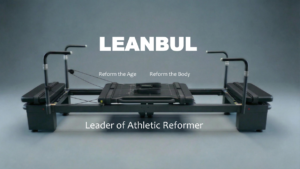
- Ex-demo and ex-showroom units from manufacturers. Machines that lived on a showroom floor or at trade fairs. Sold by the manufacturer, inspected, often with the full or remaining warranty. Align’s own advice is that this is the safest used option — you get the discount and keep the support. Most manufacturers, including us at Leanbul, offer these from time to time; the honest caveat is that availability is unpredictable.
- Private sellers on Kleinanzeigen, Wallapop, Marktplaats, Vinted, Facebook Marketplace. Huge volume, huge variance. Many of these are lightly used home machines — the “dust collectors” Dutch sellers describe. Others are ex-studio machines with real mileage that the listing conveniently doesn’t mention. No warranty, no service history, and you’re usually arranging your own collection and delivery, which for a 60–80 kg reformer means a van, two people, and a couple of hours.
- Refurbishers and dealers. A middle path. Make sure you know exactly what was replaced — springs? ropes? padding? — and whether the work is documented. A refurbisher who swaps springs but not bearings has fixed the visible problem and left you the expensive one.
What actually breaks on a used reformer
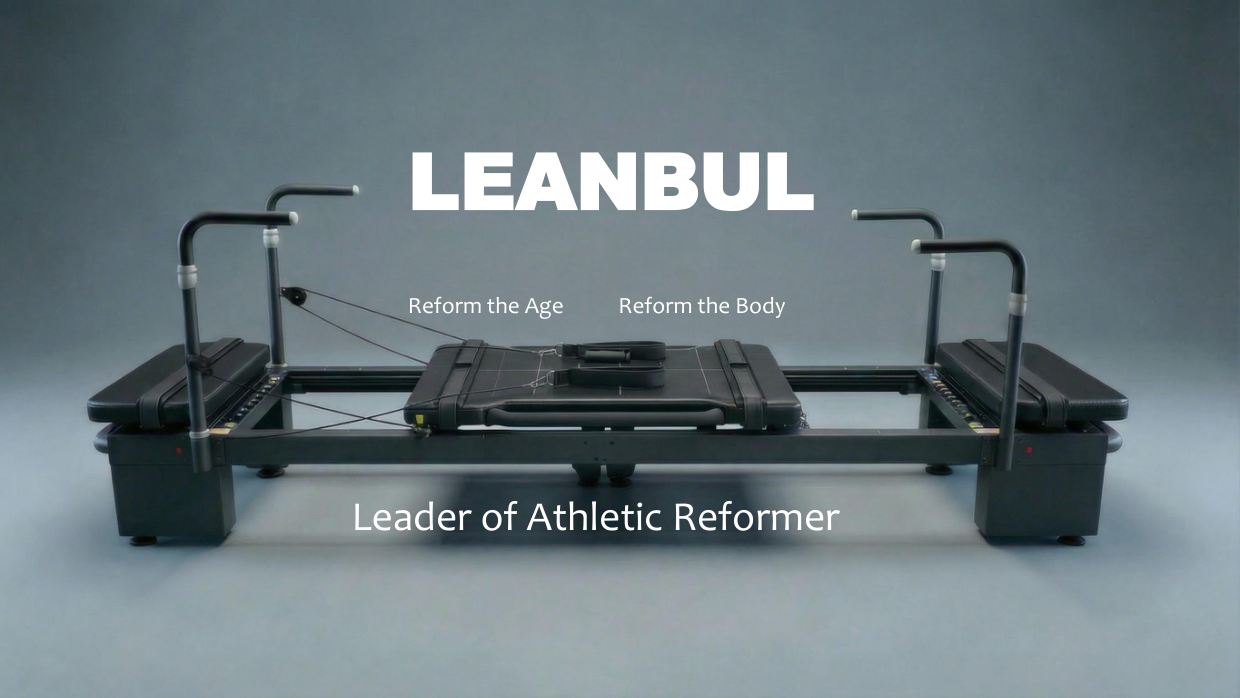
The parts that fail are cheap, frequent, and mostly fixable. The parts that end a machine’s life are expensive, rare, and invisible in photos. Learn the difference before you shop:
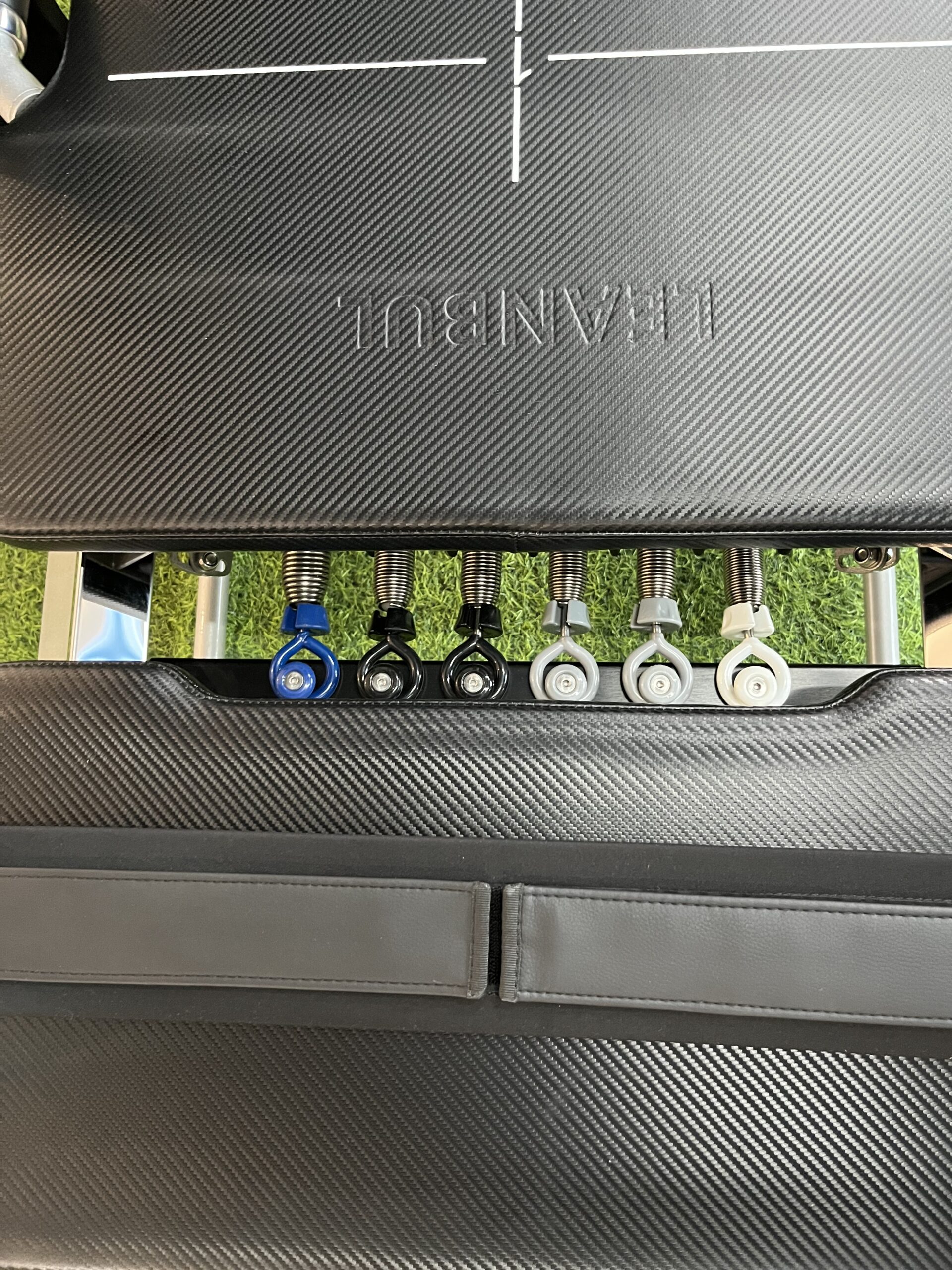
- Springs. Wear items, period. A studio machine in daily use needs new springs every 1–2 years, and a full set of quality springs runs €120–€250. Budget for replacing them on any used purchase — assume the seller didn’t.
- Ropes, cords, and pulleys. The rope system on a reformer that’s seen real class volume will show fraying at the loops and sluggish pulley movement. Cheap to replace, easy to overlook.
- Carriage bearings and wheels. A smooth glide is the first thing clients notice. Worn bearings make the carriage feel gritty and wear the rails unevenly. Replacement is a service job, not a parts swap.
- Padding and upholstery. Cosmetic, but not trivial: vinyl that’s cracked and flaking reads as “this studio is falling apart” to every client who lies on it. Reupholstering costs real money.
- Frame fatigue and rail wear. The deal-breakers. A flexed or cracked frame can’t be economically repaired, and a worn rail means a new carriage assembly or a dead machine. Neither shows up in a photo. This is why BASI Systems, the training organization, is blunt about used commercial equipment: no after-sales support transfers to you, and you’re buying the remaining lifespan blind.
The inspection checklist, point by point
If you’re buying used from a private seller or closing studio, print this. Take a teacher with you if you can — an instructor who trains on reformers daily will notice things you won’t.
- Lie on it. Carriage movement should be smooth, quiet, and even across the full length of the rails.
- Watch the carriage roll slowly under tension — any catching or grinding points to bearings or rail wear.
- Test every spring hook and listen for uneven resistance between springs of the same color.
- Check ropes for fraying at the handles, loops, and pulley contact points.
- Sit on the footbar and apply pressure in every position — wobble means worn locking mechanisms.
- Check the frame for cracks, especially at joints and around the carriage stoppers.
- Look at the rails end-to-end for pitting or flat spots.
- Ask for service records. If the seller has none and the machine is from a studio, assume it’s been ridden hard.
- Ask why they’re selling. The honest answer tells you more than the photos.
- Get the model and serial number, then check with the manufacturer whether parts are still available. A 15-year-old premium machine can be a parts nightmare in Europe.
- Factor in delivery: a reformer needs a van or pallet freight, typically €100–€300 within most EU countries. That comes out of your “saving.”
- Add a full spring replacement and a professional service to your budget before comparing prices with new.
Used vs new pilates reformer: the five-year total cost of ownership
Let’s put numbers on it. Prices below are realistic European figures for commercial-grade machines — new commercial reformers land around €3,500–€6,000 ex-VAT, which we broke down in detail in our European reformer cost guide.
| Used, private sale | Used, ex-demo with warranty | New commercial | |
|---|---|---|---|
| Purchase price | €1,800–€3,200 | €3,000–€4,500 | €3,500–€6,000 |
| Immediate service (springs, service) | €250–€500 | €0–€250 | €0 |
| Warranty | None | Remaining manufacturer warranty | 2–5 years |
| Parts and support | You source everything | Manufacturer | Manufacturer |
| Downtime risk, first 2 years | High | Low | Low |
| CE / compliance paperwork | Usually none | Yes | Yes |
| Typical 5-year cost | €2,400–€4,500 | €3,200–€5,200 | €3,800–€6,500 |
The striking row is the first one, because it’s the one buyers fixate on. The used machine from a private seller looks like it saves €1,500–€2,500. Then you replace the springs, service it, arrange transport, lose a few days of classes to the first breakdown, and discover the machine has no CE documentation when your insurer asks. The ex-demo machine with a warranty costs barely more than the private sale once you’ve done the same work — and keeps the manufacturer’s support behind it.
For a home buyer, the private sale is often still the right move. For a studio, the ex-demo or warrantied route wins almost every time.
VAT and paperwork: the EU differences people forget
European buyers get caught by three things that barely exist in the US second-hand market:
- Private sales carry no invoice and no VAT. You can’t reclaim VAT on a private purchase, and you have no paper trail if the machine fails. For a studio that’s a bookkeeping annoyance and a liability question in one.
- Business-to-business used sales often use the margin scheme. When a VAT-registered business sells used equipment, the EU margin scheme means VAT is charged on the margin rather than the full price — which is legitimate and can work in your favor, but the invoice must say so. Ask the seller how they’re invoicing before you agree on price.
- Compliance paperwork follows the machine, or doesn’t. Commercial equipment sold in the EU should carry CE marking with EN ISO 20957 documentation behind it — the standard for stationary training equipment. Used machines from private sellers almost never come with these documents, and commercial insurers and market surveillance authorities increasingly ask for them. If your new studio needs certified equipment (franchises, fitness chains, many insurers), a used machine without paperwork simply won’t qualify, whatever the price.
When used is genuinely the right call
Buying used isn’t wrong. These are the situations where we’d recommend it:
- Ex-demo or ex-showroom from a manufacturer, with warranty and inspection. Best value in the whole market when you can find it.
- A closing studio you can visit, with service records and a teacher’s-eye inspection. You’re buying a proven machine and often a pile of accessories for the same money.
- A second or backup machine for peak hours, where downtime risk is acceptable because the primary fleet covers you.
- A very tight budget with a competent technician on hand who can service the machine themselves and source parts.
And the situations where it isn’t: your first machine for a brand-new studio, anything bought sight-unseen from a classified ad, and any deal where the price is so low it makes you suspicious. The European used market has genuine bargains and genuine traps, and the difference between them is usually a 30-minute inspection.
FAQ
Is it worth buying a used pilates reformer for a studio? Only in specific situations: an inspected ex-demo unit with warranty, or a closing studio you can visit with service records. For a first machine or a fleet expansion, new commercial equipment with a warranty and compliance paperwork is almost always the cheaper choice over five years, because downtime is the cost that quietly dwarfs the purchase price.
What’s a fair price for a used reformer in Europe? Expect 30–50% below the current new price of the same model, and be suspicious of anything deeper — commercial reformers hold value because they last. A premium brand machine in good condition typically sells for €2,000–€4,000 depending on age and configuration. Whatever you pay, add €250–€500 for springs, service, and delivery before comparing with new.
Can I get a warranty on a used reformer? From private sellers, no — and manufacturer warranties generally don’t transfer to second-hand buyers. Ex-demo and ex-showroom units bought directly from the manufacturer usually carry the remaining or full warranty, which is the main reason they’re the safest used option.
What should I check before buying a used reformer? The frame and rails first — cracks, pitting, or flat spots mean a dead machine. Then the carriage glide, spring resistance, ropes, footbar stability, and upholstery. Ask for service records, check spare parts availability with the manufacturer using the serial number, and budget a full spring replacement.
Do I pay VAT on a used reformer? From a private seller, no VAT and no invoice — and you can’t reclaim anything. From a business seller, expect VAT, often under the margin scheme on the seller’s margin rather than the full price. Ask how they’ll invoice before you negotiate.
What to Do Next
If you’re starting or expanding a studio, the alternative to gambling on the second-hand market is a new machine priced and documented like a business purchase should be. Leanbul is a Spain-based pilates reformer manufacturer serving studios, fitness chains, and distributors across Europe. Every machine ships with CE marking, EN ISO 20957 compliance documentation, and a warranty that transfers to you, not away from you — and freight within the EU is quoted in euros before you commit. Browse the reformer collection, see our studio solutions, or contact us with your machine count and configuration. We’ll also tell you honestly when an ex-demo unit is available — that’s still the best deal in the market, and it’s ours to offer.