The Pilates Market in Luxembourg in 2026: Growth, Studio Trends and Equipment Demand
The pilates market in Luxembourg is tiny by population and unusually rich by average spend. Just under 691,000 people live in the Grand Duchy, yet nearly half the people working there commute in from France, Germany and Belgium each day, and they earn and spend like the finance-and-EU-professional economy they belong to. For a reformer studio, that combination is the whole opportunity: a small pool of clients, a shallow bench of competitors, and prices that sit well above most of the continent.
This is a market where a six-reformer boutique can work, but only if you understand who is actually paying, what they will pay, and why property, not demand, is the real ceiling.
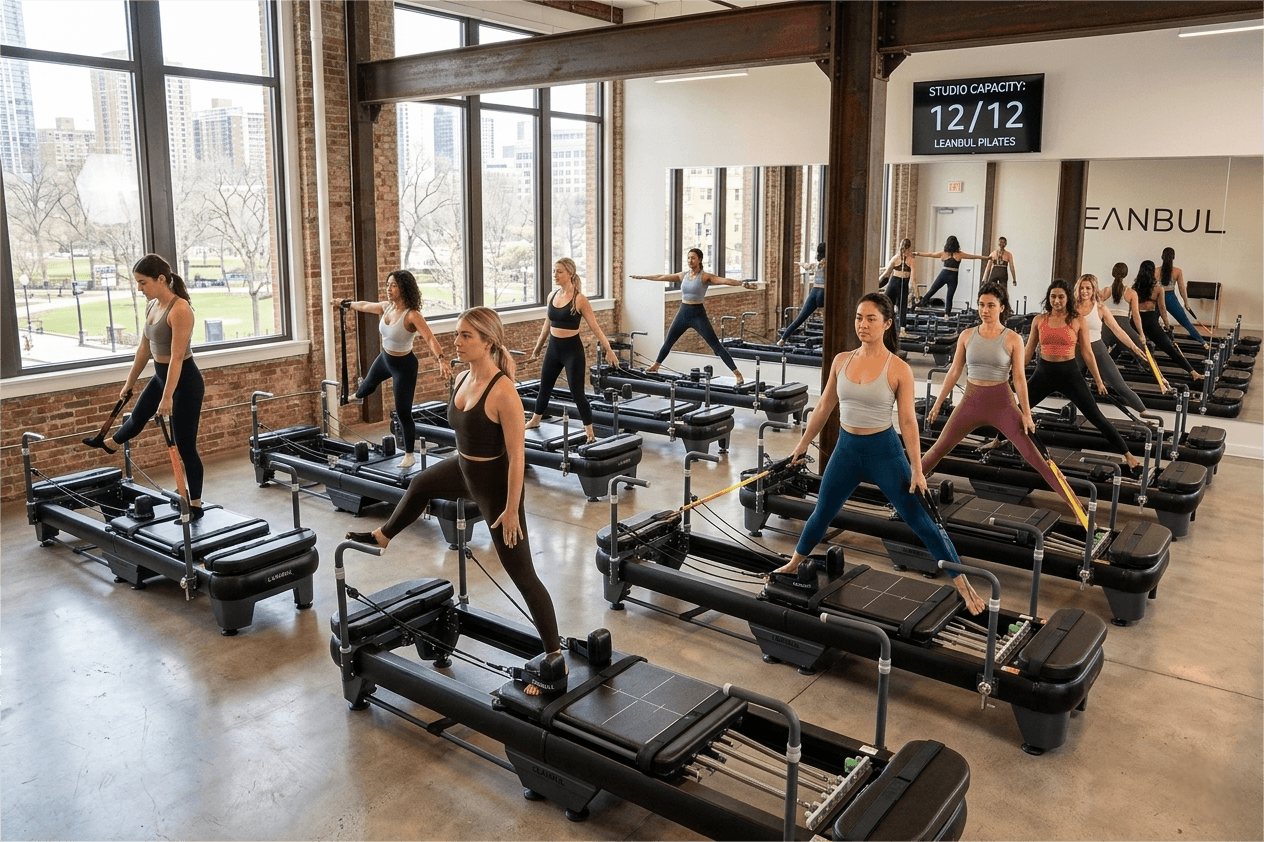
A small country with an outsized reformer clientele
Start with the demographics, because they explain everything else. STATEC, Luxembourg’s national statistics office, put the population at 690,959 on 1 January 2026, up 1.3% year on year, with 46.6% of residents holding foreign nationality. At the end of 2025 the country had close to 494,000 employees, 47% of them cross-border workers, and only one in four employees was a Luxembourg national.
That workforce is different from a typical national market in three ways that matter to a studio:
- It is commuter-heavy. Roughly 200,000 people cross into Luxembourg daily from France, Germany and Belgium. Around 130,000 of them are French, making France the largest cross-border community. Many arrive by train into the Gare or work in Kirchberg and the financial district.
- It is cash-rich and time-poor. Luxembourg has one of the highest GDP-per-head figures in the world. A 50-minute class that fits before work or after the office is a service this client base will pay for, and pay a premium for.
- It is multilingual. Luxembourgish, French, German and English all turn up in the same room. Instructors who can shift language mid-class have a genuine edge here, and studios that bill themselves in one language shrink their own market.
There is a fourth factor that shapes demand more than most people expect: the working pattern. STATEC reports that 66% of workers are in at least one form of non-standard work (shift work, part-time, weekend hours), and 36% work from home at least occasionally. That produces fragmented schedules, which is exactly the pattern that reformer memberships, class packs and early-morning slots are built to serve.
What drives the pilates market in Luxembourg
Three client segments carry a Luxembourg reformer studio.
Resident professionals and expat families. Nearly half the population is foreign, and the Portuguese community alone is the largest single foreign group. These are long-term residents, not tourists, and they build stable weekly routines.
Cross-border commuters. This is the segment most studios under-serve. They will not join a studio near their home in Thionville or Trier; they need one near where they work. Location close to the station, Kirchberg or Cloche d’Or is worth more than a nicer room further out.
Corporate wellness. OSMOSE, a Luxembourg City studio, partners with employers to give their staff preferential reformer rates. This matters. Luxembourg’s economy is built on banks, funds, insurers and EU institutions, all of which have wellness budgets and an interest in looking after staff who work long hours. A single corporate account can fill a quiet mid-day timetable.
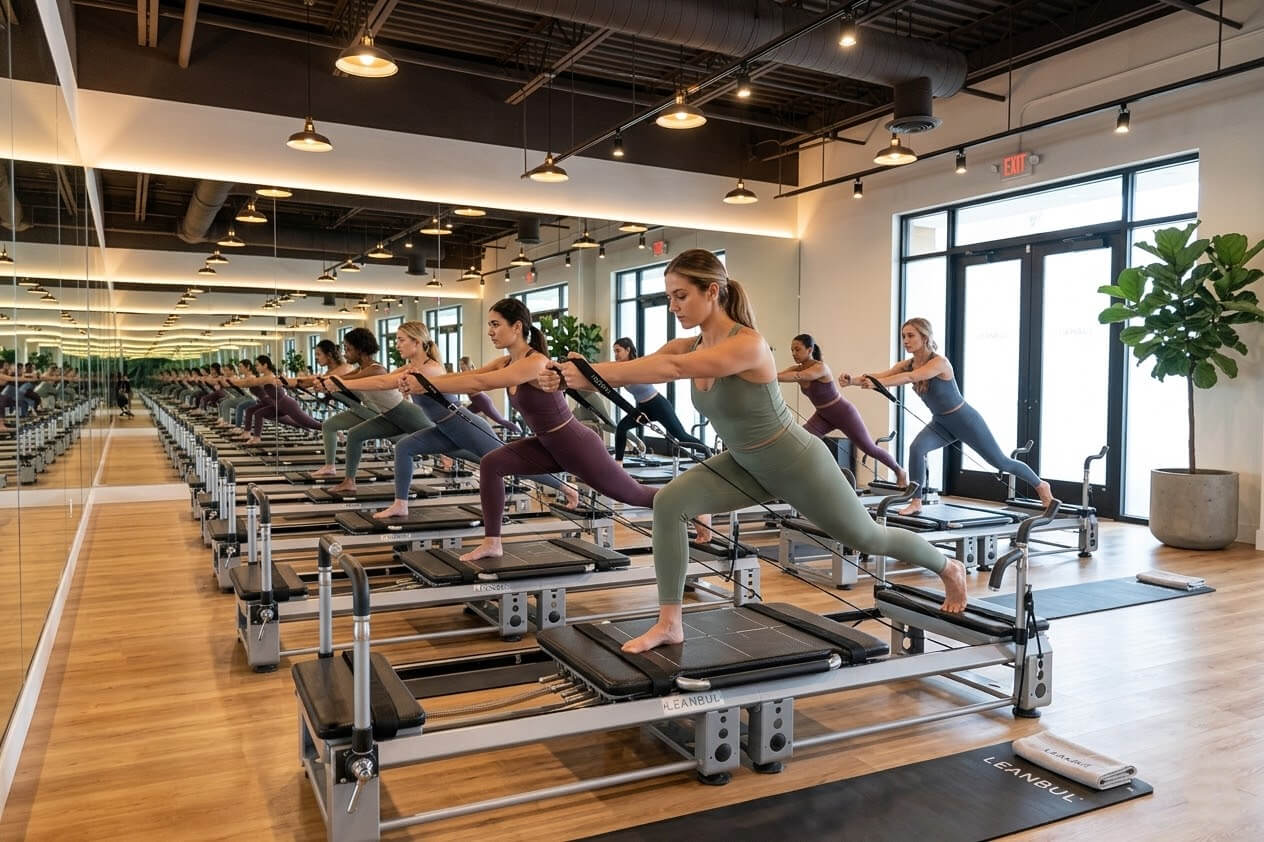
What reformer classes cost in Luxembourg
Pricing here sits at the top of the European range. Public menus from three Luxembourg studios in 2026 give a reliable benchmark:
| Studio / format | Drop-in | Class pack | Monthly membership |
|---|---|---|---|
| TUBA (Luxembourg) | €40 | 5 classes €175 · 10 classes €320 | Core 8/mo €225 · All In unlimited €325 · under-26 €195 |
| OSMOSE (Luxembourg City) | €38 | 5 classes €175 · 10 classes €320 | Corporate and small-group rates on request |
| Time2Pilates (Leudelange / Pontpierre) | — | Small-group of 2–4 clients | Boutique private-group model |
Read those numbers against the rest of Europe and the pattern is clear. A €40 drop-in and a €325 unlimited membership sit well above comparable studios in Madrid, Lisbon or Berlin. TUBA’s discovery pack (three classes for €89) is a standard acquisition tool, and the under-26 rate at €195 a month shows studios actively buying future loyalty.
For an operator, the useful takeaway is the gap between the headline drop-in and the pack price. The €40 single class is the marketing number; the €32-per-class pack is the real economics, and memberships are where the margin lives.
Competition: independents, and a franchise wave arriving
Today Luxembourg runs a handful of established independents plus a booking-platform culture that handles discovery and scheduling. That is a thin competitive field for a country of this income level, and it will not stay thin.
Club Pilates has signed a master franchise agreement covering Belgium, Luxembourg and Monaco, with a commitment to open roughly 36 studios over a decade. The franchisee, TMCP Fitness International, already runs Club Pilates in France, Ireland and Switzerland. Luxembourg is currently listed as “coming soon,” which tells you two things at once: an international operator has validated the demand, and competition is on its way.
Zoom out and the category is strong across the continent. EuropeActive and Deloitte’s 2026 European Health & Fitness Market Report put European club membership at 75.5 million people, 67,515 clubs and €39.1 billion in revenue, with revenue up 9.1% year on year. The Pilates Journal’s 2026 Global Industry Survey, drawn from nearly a thousand professionals, found 76% reported rising demand over the previous year, 64% were at or near full capacity, and 47% of operators named group reformer as the format driving the most revenue growth.
For Luxembourg the implication is specific. The market is large enough to support a well-run independent boutique, but it is small enough that the arrival of a franchised chain will compress the middle. Differentiation (language, corporate accounts, rehab programmes, a niche clientele) matters more here than in a big city where there is room for everyone.
The real ceiling is property, not demand
Luxembourg City has one of the tightest commercial property markets in Europe. JLL’s BeLux figures show office vacancy around 3.9% in early 2026, which pushes rents up across the board. Prime space near Boulevard Royal runs about €54 per m² per month; the Station district and Kirchberg sit near €43, Cloche d’Or around €41, and peripheral districts fall to roughly €24. Small retail and commercial units follow the same curve, with an 88 m² unit in the Gare area listing near €2,850 a month.
| Location type (Luxembourg City, 2025–26) | Indicative rent |
|---|---|
| Prime, Boulevard Royal quarter | ~€54/m²/month |
| Station district / Kirchberg | ~€43/m²/month |
| Cloche d’Or | ~€41/m²/month |
| Howald / airport | ~€33–€35/m²/month |
| Periphery / Belval | ~€24/m²/month |
That structure forces a decision early. Pay prime rent and you buy the commuter and corporate client who wants a class next to the office. Move to Belval or the periphery and you cut the rent line by more than half, but you take on the harder job of getting people to travel. In a country 82 km long, plenty of studios make the outer-district model work, but they are selling to residents, not to the passing commuter trade.
Plan the room around the machines, not the other way round. Each reformer wants roughly a 3 m × 1.5 m working area once you allow for the carriage, the client and the instructor, plus circulation. A six-machine boutique with a small reception and back of house needs about 90 to 130 m². In a market where every square metre is priced like this, that calculation is a cost decision, not just a layout one.
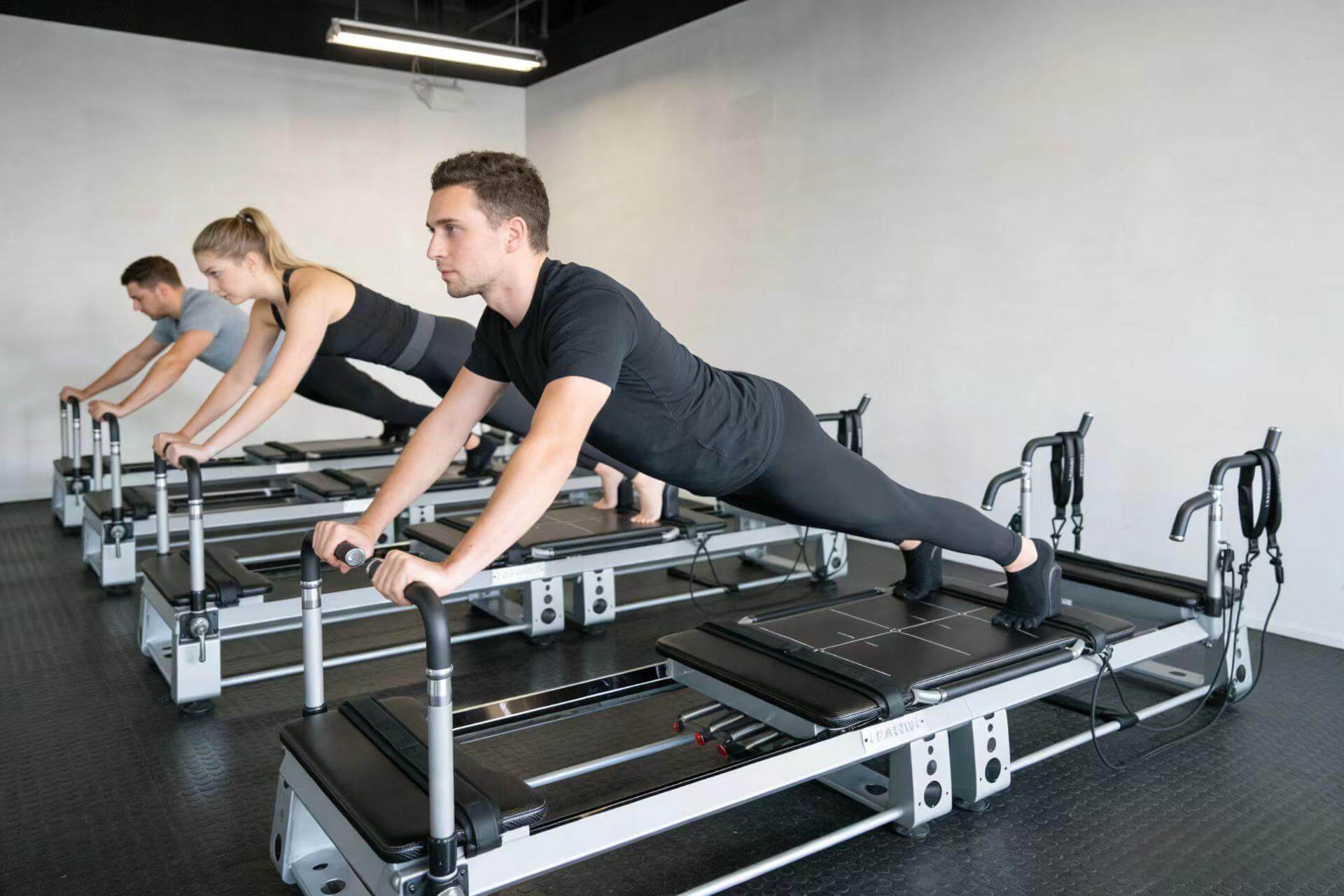
What this means for equipment decisions
A Luxembourg studio is usually built around a fixed base of committed members rather than walk-in volume. In practice that means a fleet of six to ten EN ISO 20957 Class S commercial reformers. That is the classification insurers and referral partners expect; Class H is for home use. A home-rated machine in a shared studio is a compliance problem first and an insurance problem second.
What commercial reformers cost in Europe in 2026:
| Fleet size | Typical price per reformer | Notes |
|---|---|---|
| 1–2 machines | €3,500–6,500 | Retail or showroom, single-unit pricing |
| 3–5 machines | €2,400–3,800 | Small-boutique tier, room to negotiate |
| 6–12 machines (direct) | €1,900–3,500 | Manufacturer-direct or EU dealer; freight and install quoted separately |
The tax mechanics favour buying inside the EU, and Luxembourg is no exception. A reformer bought from a Spanish or other EU manufacturer is an intra-Community acquisition: no customs duty, no import clearance, and the 17% VAT self-accounted under the reverse-charge mechanism and reclaimed on the same return. That is the cleanest possible purchase path, and it is one reason a European manufacturer makes more sense here than a supplier shipping from outside the bloc.
Two operational points carry extra weight in a market this small. First, spare parts and service response time matter more when your whole business is six machines and a single room: a machine down for three weeks is a visible hole in the timetable. Buying from a manufacturer with EU parts stock keeps that recovery time short. Second, a multilingual client base and a corporate client base both want documentation they can trust: a declaration of conformity, a CE-marked machine and a clear warranty in writing.
How to approach Luxembourg as an operator
The regulatory side is covered in our guide to opening a pilates studio in Luxembourg, which walks through the business permit, RCS registration, VAT and the CCSS. For the market side, the playbook is short:
- Pick your client before your room. Commuters want the station and Kirchberg; residents will travel for a better studio.
- Price at the European top, then compete on retention. €40 drop-ins work here, but the money is in memberships and packs.
- Chase the corporate account early. One employer relationship can fill the mid-day.
- Build multilingual. Instructors who switch language mid-class widen the addressable market immediately.
Frequently asked questions
How big is the pilates market in Luxembourg? Small in population but high in spend. Around 690,959 people live in the country, and roughly 494,000 people work there, 47% of them cross-border commuters with high disposable income. Reformer studios are still comparatively few, which leaves room for well-positioned independents before franchise competition lands.
What do reformer classes cost in Luxembourg in 2026? Drop-in classes run about €38–€40. Class packs work out to €32–€35 per class, and monthly memberships sit around €195–€325 depending on the format and how many classes are included.
Is Club Pilates opening in Luxembourg? Yes. Club Pilates holds a master franchise covering Belgium, Luxembourg and Monaco, with a commitment to around 36 studios over the next decade. The franchisee also operates Club Pilates in France, Ireland and Switzerland, and Luxembourg is currently listed as “coming soon.”
Which reformer should a Luxembourg studio buy? EN ISO 20957 Class S commercial machines, typically six to ten units for a boutique. Buying from an EU manufacturer keeps the purchase clean on tax and logistics (intra-Community acquisition, no customs duty, VAT under the reverse charge) and means parts and service come from inside the bloc.
Is buying a reformer in Luxembourg cheaper than elsewhere? The VAT rate of 17% is the lowest standard rate in the EU, which helps if you register and reclaim input VAT. But the real saving comes from buying inside the EU at all: no import duty, no clearance fees and faster delivery than importing from outside the bloc.
Next step
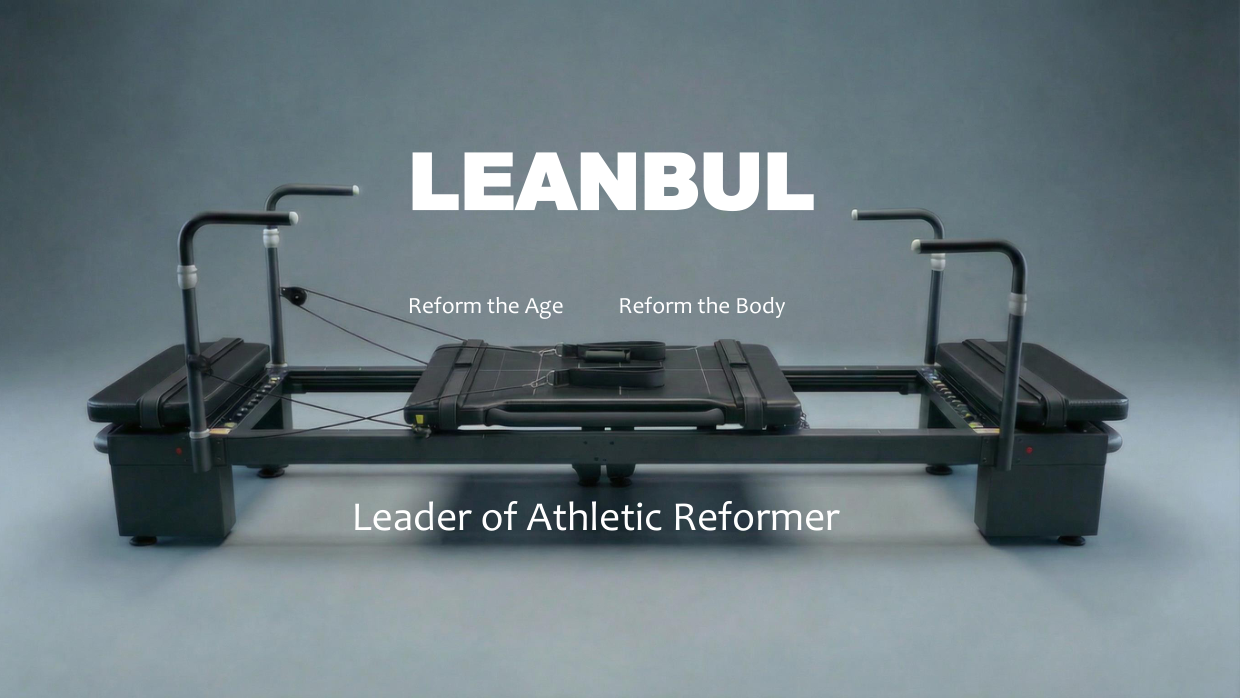
If you are sizing a Luxembourg studio and want to compare specs, sizes and fleet pricing before you sign a lease, look at the Leanbul reformer collection or the models built for studio rooms: the K30 commercial reformer for full-size studios, the K38 premium reformer for premium and rehab programmes, and the K10 compact reformer where floor space is tight. Leanbul is a Spain-based manufacturer, so your fleet ships from inside the EU with no customs and no import clearance. See pilates studio solutions for fleet layouts, or contact us for a quote.
