Pilates Reformers for Physiotherapy and Rehabilitation Clinics in Europe
Physiotherapy clinics across Europe are adding pilates reformers, and it’s not a trend — it’s a clinical tool finally getting recognized as one. The reformer’s controlled, low-impact resistance makes it genuinely useful for rehabilitation: patients can start with minimal load, progress gradually, and work through full ranges of motion in a way that’s hard to achieve with free weights or machines that lock into fixed paths.
We manufacture reformers in Spain and supply physio practices and rehab centers across the EU. This guide covers what a clinic actually needs from a reformer, the compliance that matters in a clinical setting, and what European procurement looks like in practice.
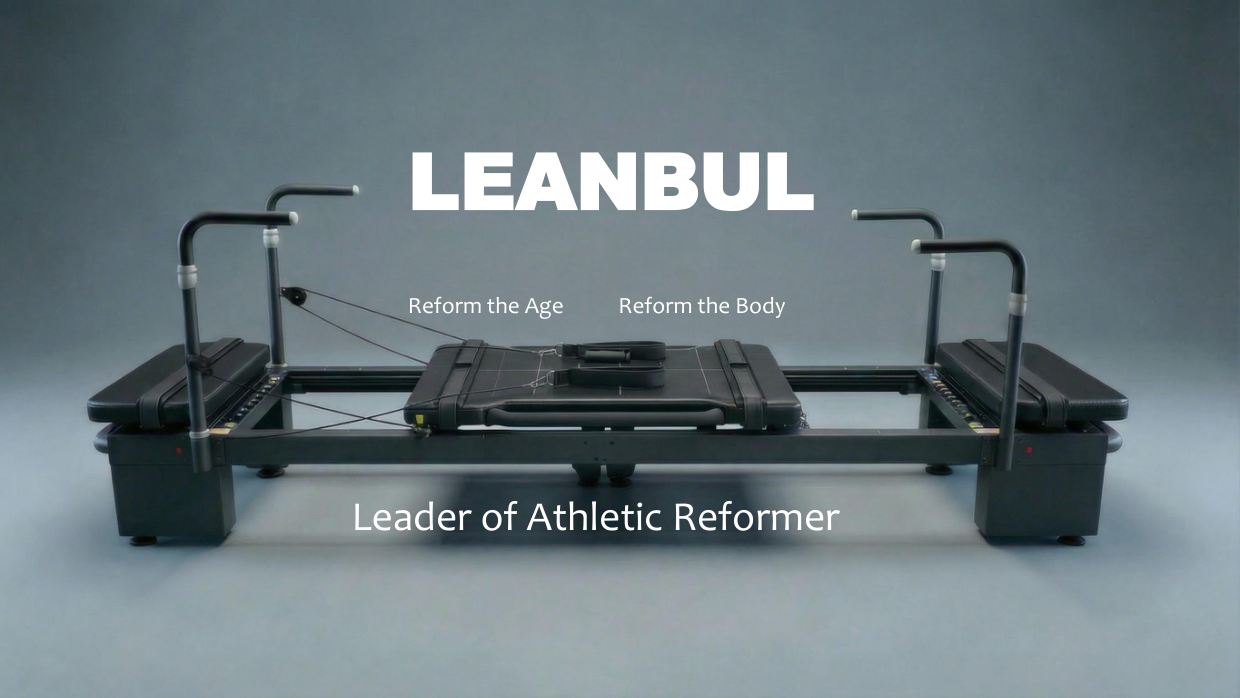
Why Physio Clinics Are Adding Reformers
The reformer earns its place in a clinic for reasons that are different from a studio’s:
- Progressive, controlled loading. Springs give precise, adjustable resistance — the smallest spring adds only a few kilograms of load. That granularity is exactly what rehab protocols need when a patient is rebuilding strength after surgery or injury. We compared spring, cord, and magnetic systems in our resistance guide; for clinical work, spring resistance with fine increments is usually the right answer.
- Low-impact, full-range movement. The carriage slides on bearings, so joints move through their range without compressive loading. Patients with knee, hip, or back issues can train earlier in recovery than with weight-bearing exercise.
- One machine, many protocols. Footwork, hip work, spinal articulation, upper-body pulls, balance work — a single reformer covers a wide range of therapeutic exercises, which matters in a clinic where floor space is expensive.
- A bridge to real-world fitness. Patients who learn the reformer in rehab often continue at a pilates studio afterward. Referring physios know this; a clinic with a reformer gives patients a credible next step.
The clinical evidence base has grown quickly. Variable-resistance training, which is what spring-based reformer work is, shows strong results for maximal strength development compared with other resistance modes — a 2026 meta-analysis of randomized trials ranked it first among resistance training methods for strength outcomes. That’s the kind of finding that gets physios’ attention.
What a Clinic Needs That a Studio Doesn’t
Clinical use changes the spec priorities. Here’s what we’d look for when we help a clinic choose:
- Fine resistance increments. Rehab starts light. A machine whose smallest spring step is meaningful at low loads lets therapists progress patients in tiny, controlled stages. Ask for the full spring configuration and the resistance range per spring.
- A long, smooth carriage. Patients with restricted mobility need a carriage that glides without stutter and accommodates different leg lengths. Adjustable shoulder blocks and headrests matter more in clinical use than anywhere else.
- Comfortable, accessible entry. Clinics treat older patients and people with limited mobility. A low-profile frame, stable platform, and easy mounting make the difference between a machine a therapist can use with any patient and one that’s effectively limited to fit, young clients.
- Quiet, maintenance-light operation. A clinic runs back-to-back appointments. A machine that needs constant adjustment or squeaks through every session wastes billable time.
- Commercial durability. Rehab machines get heavy daily use from patients of very different sizes. Commercial-grade (Class S) construction under EN ISO 20957-1 is the baseline, not an upgrade. Our CE certification guide explains the standard and the paperwork that proves it.
Compliance in a Clinical Setting
This is where clinical procurement differs from studio buying. The documents aren’t optional:
- CE marking with real test reports. In a clinical environment, the CE declaration of conformity and EN ISO 20957-1 test reports may be reviewed by your insurer, your professional body, or the clinic’s health and safety officer. A sticker without documents is worthless in that context.
- GPSR (Regulation EU 2023/988). Since December 2024, fitness equipment sold in the EU requires an economic operator based in Europe for safety contact. For a clinic, buy from a manufacturer who can name their EU entity — it matters for liability and traceability.
- Insurance and professional liability. Your clinic’s insurer will likely want the machine’s compliance paperwork on file, and if you run reformer sessions under a physio’s supervision, your professional indemnity may require documented training. Ask both questions before purchase.
Budget and Procurement: What a Clinic Should Expect
Commercial reformers in Europe run roughly €3,000 to €7,000 per machine — the same range our cost guide breaks down in detail. For a clinic:
- Start with one to three machines. Most physio practices begin with one reformer for one-to-one sessions, then add machines as demand grows. A single reformer used in back-to-back appointments pays for itself quickly at €50-€80 per session.
- Budget for accessories. Headrests, blocks, straps, and a platform extender expand what you can treat. If your patient base skews toward older adults or post-operative cases, spend on comfort and accessibility options rather than a bigger machine.
- Plan for training. Physios who trained on reformers in their education can start immediately; others need a certification course. Budget for staff training — it’s the difference between a machine that gets used and one that gathers dust. We covered teacher training needs in our academy guide.
- Consider leasing for cash flow. Clinics often prefer to spread equipment cost. European leasing and financing structures for reformers are covered in our leasing guide.
Working With a European Manufacturer
For a clinic, the manufacturer relationship matters more than the machine spec. Three things to lock in:
- EU-stocked spare parts. Springs and straps are consumables in a clinical setting. Confirm the manufacturer keeps spares in Europe and can ship within days, not weeks. Our warranty guide covers what a fair parts and service agreement looks like.
- Delivery and installation. A reformer is roughly 100 kg of precision equipment. Buy with delivery, assembly, and placement included — our EU delivery guide explains the process and timelines.
- A direct service line. When a machine is down, a clinic loses billable hours. You want a manufacturer you can call directly, not a distributor who forwards messages.
FAQ
Is a pilates reformer suitable for rehabilitation?
Yes — with the right protocol and supervision. The reformer’s adjustable spring resistance and low-impact carriage make it suitable for progressive rehab after injury and surgery. Work with a qualified physio or pilates instructor to design protocols; the machine is a tool, not a treatment by itself.
What reformer spec do physio clinics need?
Commercial-grade construction (Class S, EN ISO 20957-1), fine resistance increments with light spring options, a long smooth carriage, adjustable shoulder blocks and headrests, and quiet, low-maintenance operation.
How much does a reformer cost for a clinic?
Commercial reformers in Europe cost roughly €3,000-€7,000 per machine. Most clinics start with one to three machines plus accessories, and many spread the cost with leasing.
Do we need CE certification for a clinic reformer?
Yes. CE marking with a declaration of conformity and EN ISO 20957-1 test reports is the baseline for commercial equipment in the EU, and clinics should keep the documents on file for insurers and health and safety review.
Can a physio without pilates training use a reformer?
Physios can use reformer exercises in treatment, but certification in pilates or clinical reformer training opens up the full protocol range and is often required by professional indemnity insurers. Budget for staff training.
Equip Your Clinic With a Reformer Built for Clinical Use
Leanbul builds commercial-grade reformers in Spain with CE certification, fine spring resistance options, EU-stocked spare parts, and warranty support enforced from Europe. We supply physio practices and rehab centers across the EU with delivery, installation, and staff training. See the reformer collection, explore our clinical and studio solutions, or contact us to discuss your clinic’s requirements.