How to Open a Pilates Studio in Denmark in 2026: Legal Steps, VAT, Costs and Equipment
Opening a Pilates studio in Denmark is easier on paperwork than most people expect and harder on tax than it used to be. A sole trader can register a CVR number in minutes, and there is no minimum capital if you start that way. The 2026 problem is the opposite of bureaucracy: since 1 January, adult Pilates classes carry 25% VAT, so the pricing model you build on day one has to be a net-of-VAT model. Get that wrong and a perfectly good studio can look profitable while quietly losing money.
Here is the full path: legal form, CVR registration, VAT, premises, insurance, and the reformer fleet itself.
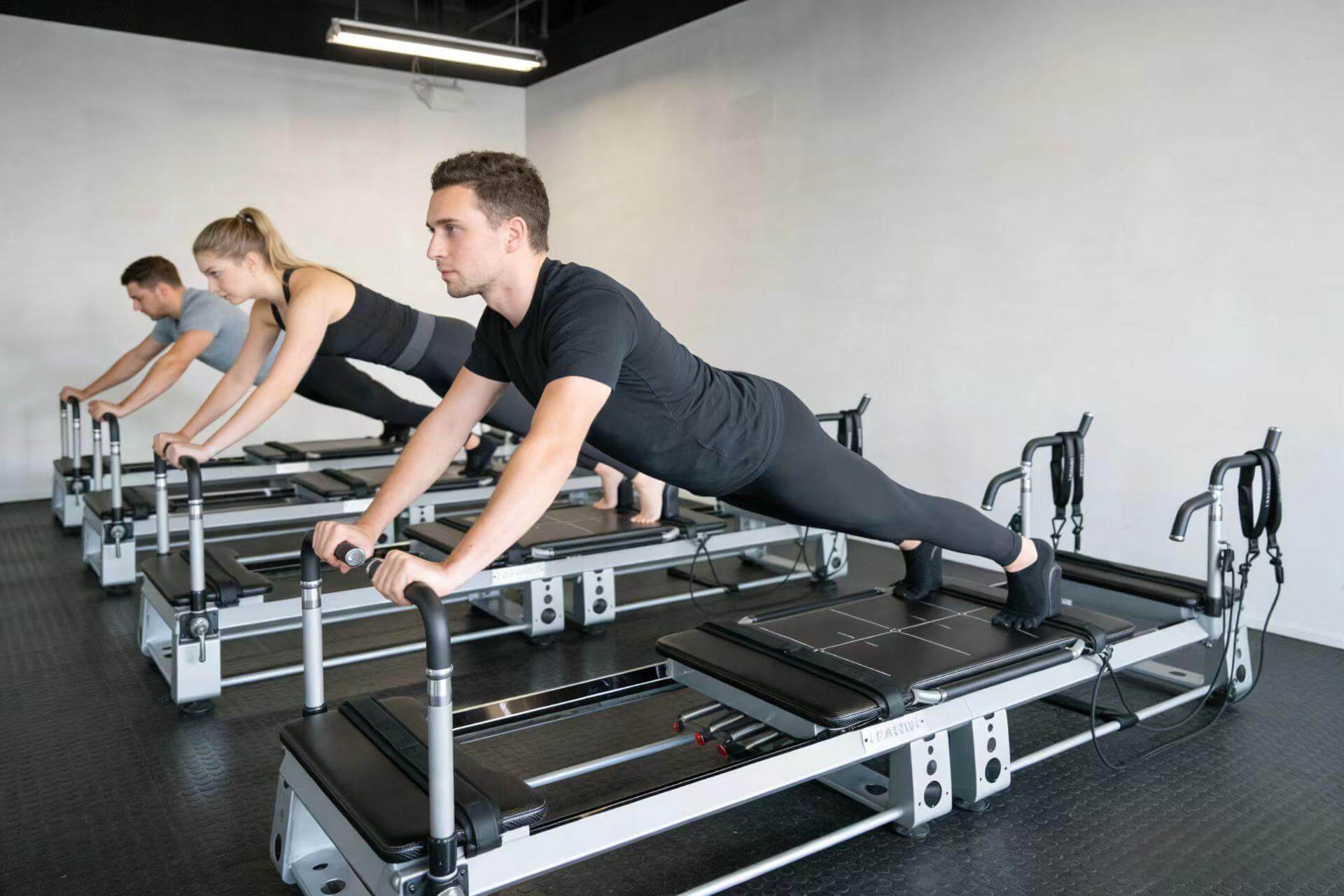
Step 1: choose the legal form
Most Danish studios start small, so the choice is usually between a sole proprietorship and a private limited company.
| Form | Minimum capital | Liability | Best for |
|---|---|---|---|
| Enkeltmandsvirksomhed (sole proprietorship) | None | Unlimited, personal | A single-owner studio starting lean |
| ApS (private limited company) | DKK 40,000 | Limited to company | Studios taking investment or hiring staff |
| A/S (public limited company) | DKK 400,000 | Limited | Rarely relevant at studio scale |
Corporate income tax is 22%. If you expect to grow, hire instructors and possibly bring in a partner, the ApS is worth the extra setup cost from the start; converting later is more expensive than choosing it now. If it is just you and a room, an enkeltmandsvirksomhed is genuinely fine, and you can be trading within a day.
Step 2: register with the Danish Business Authority
Registration runs through Virk.dk, the joint public portal, and lands with the Danish Business Authority (Erhvervsstyrelsen). A CVR number is the Danish business identity number, and it is what you quote on invoices and to public authorities. The company registration fee is around DKK 670, and the number can come back within minutes. Registration details are passed automatically to the tax agency, Skattestyrelsen.
If you do not hold a Danish MitID, you register a foreign or non-resident business using the form “Registration of Non-Danish Company – Start-40.112”. Your CVR number is the gateway to everything else, so this is step one, not an afterthought.
Step 3: sort out VAT before you open
Danish VAT (moms) is 25%, and the registration threshold is DKK 50,000 of taxable turnover over 12 months. You must apply for VAT registration no later than eight days before you start doing business. Below the threshold you can stay outside the system, but then you cannot reclaim VAT on your equipment, which for a reformer studio is usually a bad trade.
The 2026 change is the part that matters. Following EU Court of Justice rulings, commercial instruction in fitness, yoga, Pilates, dance and CrossFit became VAT-liable for adults on 1 January 2026, and personal trainers are caught too. Amateur sports clubs stay exempt, and instruction for children and people under 30 also stays exempt. The tax agency’s reasoning, summarised clearly by BDO and confirmed in press coverage of the change, turns on the difference between “amateur sport” and commercial “instruction”.
What this means in practice:
- Model every class price as a net figure and add VAT on top. Do not price at gross and hope.
- If you run a mixed timetable with under-30s and over-30s, remember the exemption is age-based, so your booking system needs to handle two prices.
- Register voluntarily from the outset. The input VAT on six or eight commercial reformers is a significant rebate you can only claim if you are VAT-registered.
Step 4: find premises and read the lease carefully
Commercial tenancies in Denmark are governed by the Commercial Lease Act (erhvervslejeloven, consolidated in November 2022). The freedom of contract is wide. Lease terms are negotiable, there is no universal default notice period, and break clauses are common. Rents are quoted in DKK per gross square metre per year, and deposits typically run three to six months.
Prime central Copenhagen office space has been quoted in the region of DKK 2,700 to 2,800 per square metre per year, with Strøget retail far higher. A boutique reformer studio rarely needs prime frontage, so look at quiet streets, upper floors with good light, and former retail units away from the busiest pedestrian zones. The money you save on rent is money you can put into machines.
Two municipal points catch people out. First, a change of use may need to sit inside the local plan, so check that the address permits your activity before you sign. Second, if you play recorded music in class you need a public performance licence, which in Denmark means KODA, and usually Gramex as well for recorded performances. Ventilation and noise are the other two issues that come up in mixed residential buildings.
Step 5: insurance and product compliance
Three covers belong on the list: business liability (erhvervsansvarsforsikring) for visitors and property, contents and equipment cover at replacement value, and product or professional liability if you teach. Once you employ an instructor, the employer’s statutory obligations and insurance kick in.
The compliance side is straightforward if you buy properly. A commercial studio should run machines certified to EN ISO 20957 Class S, the indoor fitness equipment standard that commercial-grade reformers are built against, and you should keep the declarations of conformity on file. Beyond the machines, the studio itself now has a recognised framework: EN 17229:2026, the new European fitness-club standard, sets out the operating, supervision, equipment-selection and trainer-competence expectations that certifiers, insurers and larger clients increasingly reference. A six-machine studio does not need formal certification, but keeping a documented risk assessment and a maintenance log is cheap insurance against a claim that will otherwise be harder to defend.
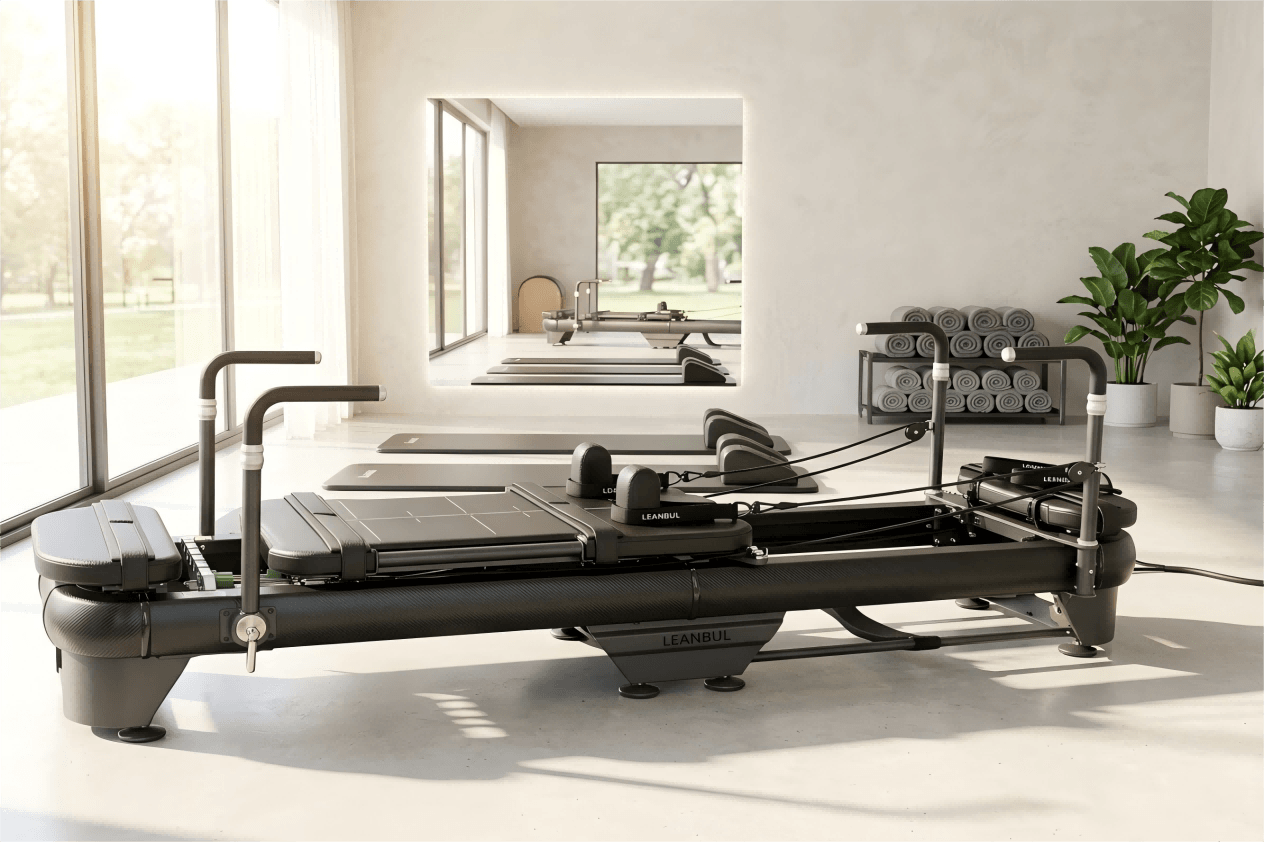
Step 6: choose the equipment and lay out the room
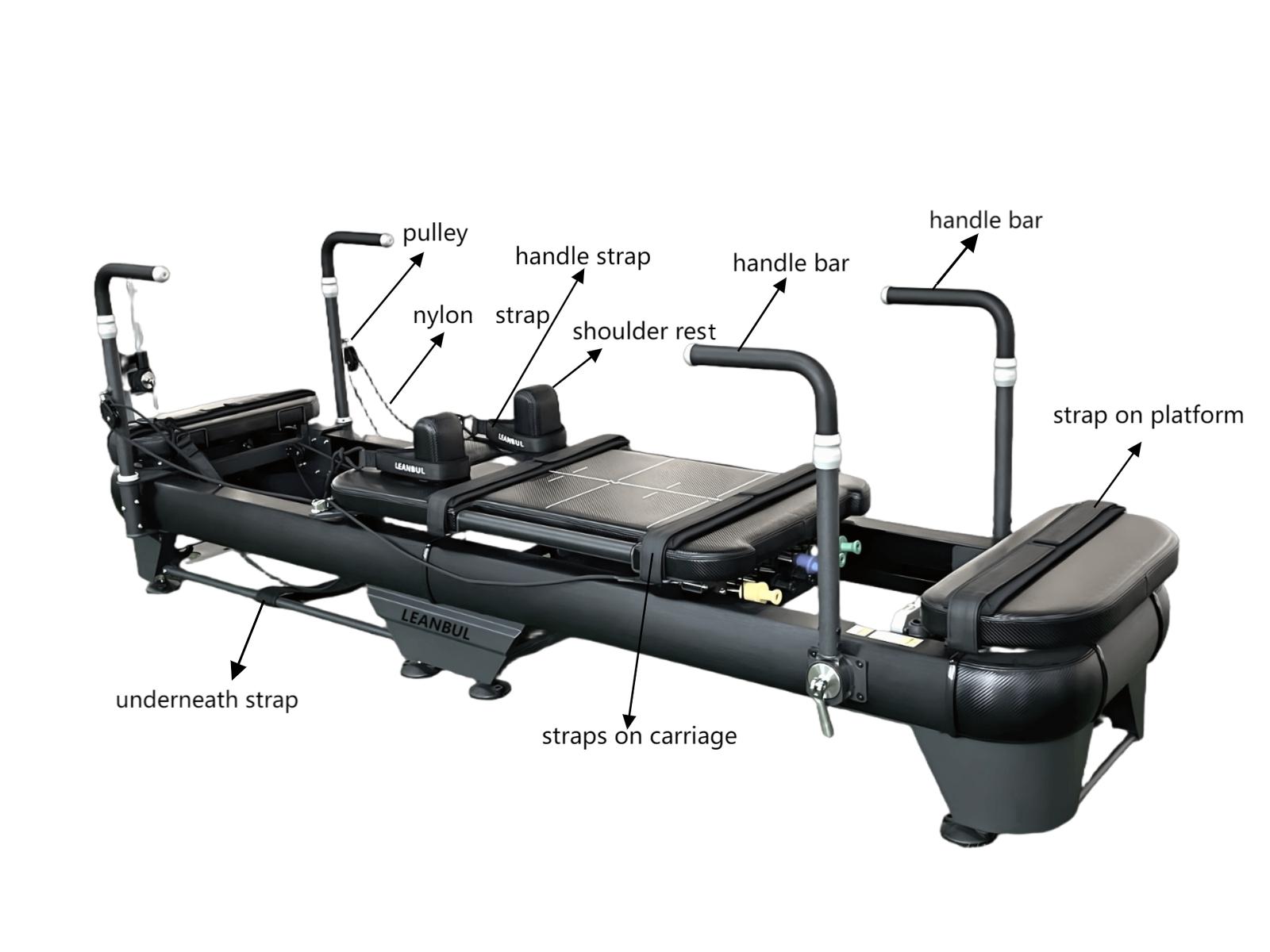
Plan on roughly 3 metres by 1.5 metres of working space per reformer, plus circulation. A six-reformer boutique fits comfortably in 90 to 130 square metres with a small reception and storage, and that is the size most Danish first studios aim for. The K10 commercial reformer suits compact rooms, the K30 is the mainstream workhorse, and the K38 premium reformer is what a studio chooses when it wants the flagship on the floor.
Buying from inside the EU is the sensible default in Denmark. A reformer from a manufacturer in Spain arrives with no customs clearance and no import duty, VAT is handled by reverse charge, and the krone’s peg to the euro removes currency risk. That is a meaningfully lower landed cost than importing from outside the single market, before you even talk about servicing.
What it costs to open a studio in Denmark
Indicative first-year figures for a six-reformer boutique in a secondary city. Treat them as planning ranges, not quotes.
| Item | Indicative cost |
|---|---|
| CVR registration | DKK 670 |
| Legal and accounting setup | DKK 10,000 – 25,000 |
| Lease deposit (three months) | DKK 30,000 – 75,000 |
| Fit-out, flooring, mirrors, reception | DKK 150,000 – 350,000 |
| Six commercial reformers (factory-direct EU) | DKK 85,000 – 160,000 |
| Insurance, licences, initial marketing | DKK 25,000 – 50,000 |
Six commercial reformers bought directly from a European manufacturer run from roughly €1,900 to €3,500 each, which at the krone’s peg is about DKK 14,200 to DKK 26,100 per machine. That is the single largest line after fit-out, and it is the one where cutting corners costs the most later.
FAQ
How long does it take to open a Pilates studio in Denmark? The registration itself is quick: a CVR number can be issued within minutes online. The real timeline is premises, fit-out and equipment delivery, which usually takes several weeks to a few months depending on the lease and the machines.
Do I need a licence to teach Pilates in Denmark? There is no single mandatory Pilates licence, but commercial instruction is now VAT-liable for adults and studios are expected to hold qualified, insured instructors. If you play recorded music in class you need a KODA licence, and usually Gramex too.
How much VAT will I charge on a reformer class? 25% Danish moms on adult classes from 1 January 2026. Instruction for under-30s and children stays exempt, so a mixed timetable needs two price points.
Can I start as a sole trader? Yes. An enkeltmandsvirksomhed has no minimum capital and is the normal starting point for a single-owner studio. You carry unlimited personal liability, so move to an ApS once you hire staff or take investment.
What reformer should a Danish studio buy? Commercial machines certified to EN ISO 20957 Class S, sized to your room, bought from inside the EU to avoid customs and currency friction. Six reformers is the usual starting fleet in a boutique.
The short version
Register the CVR, decide on ApS versus sole trader, register for VAT early, read the lease before you sign it, and buy commercial machines that will still be on the floor in fifteen years. Get the VAT model right at the start and the rest of the plan holds together. Leanbul is a Spain-based manufacturer of commercial reformers, and we equip studios across the EU with the technical documentation, CE conformity and delivery that a Danish setup needs. Browse the collection, see Pilates studio solutions, or contact us for a fit-out quote in euros.
