Pilates Reformer Spare Parts: What a European Studio Should Keep on the Shelf
The studios that lose the least money to equipment are not the ones with the newest machines. They are the ones that keep a shelf of pilates reformer spare parts and can fix a machine between two classes instead of cancelling four of them while a spring set clears customs.
A commercial reformer has roughly four things that fail on a timetable: springs, ropes and straps, upholstery, and carriage wheels. Everything else — frame, rails, spring bar, footbar — usually outlives the studio that bought it. So a parts stock is not a warehouse. It is a small, cheap insurance policy against the only equipment failure a client actually notices: the class that does not happen.
Which pilates reformer spare parts are worth stocking
Not every part deserves shelf space. Divide them by how often they fail and how long you can survive without them.
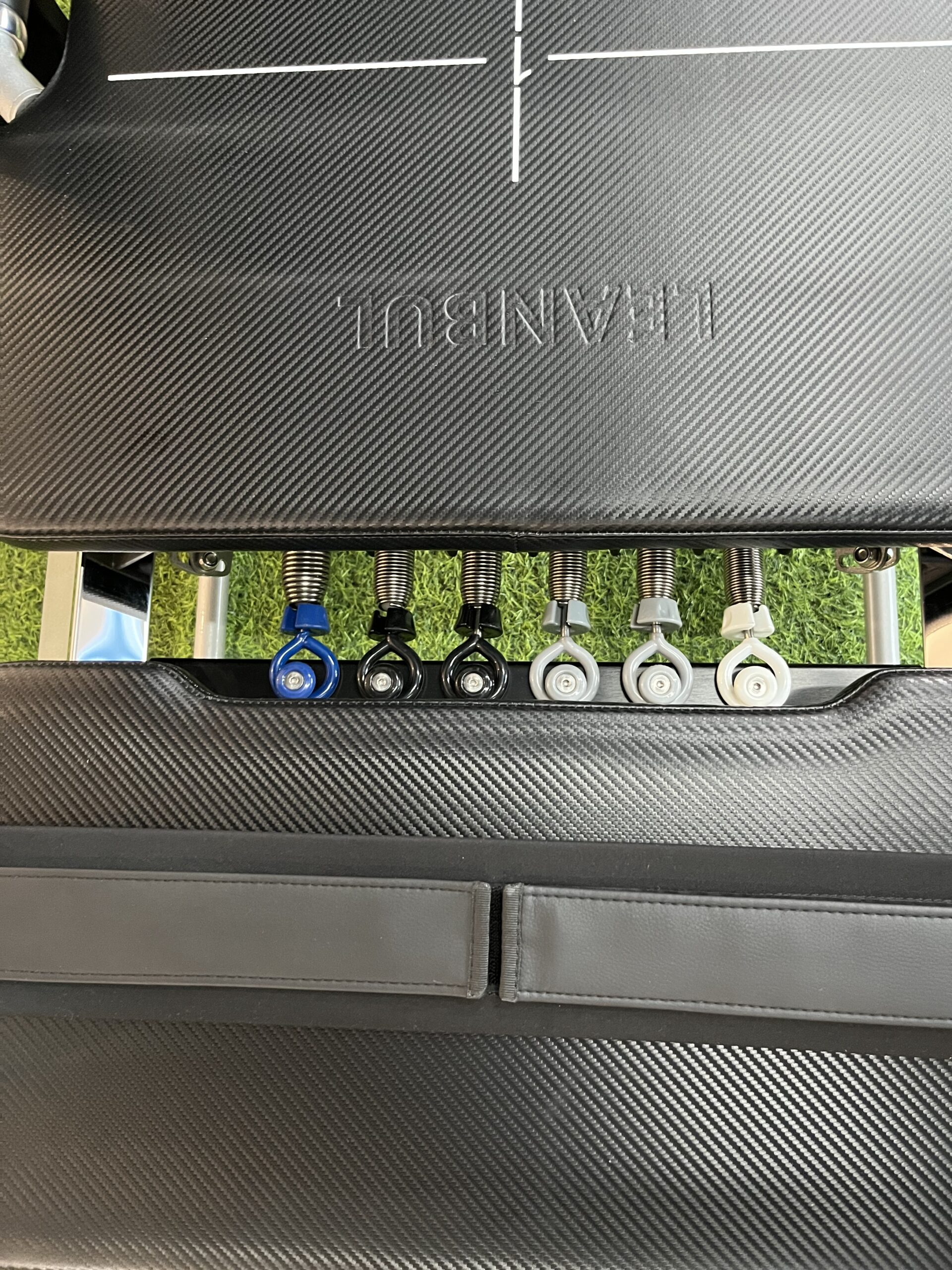
Tier 1 — consumables you will definitely use. Springs, ropes, handles, foot straps. These wear on a schedule, not at random, so you can predict consumption from class hours rather than guess.
Tier 2 — wear parts that stop a machine. Carriage wheels, bearings, pulleys, eyelets, riser hardware. Low failure rate, but when one goes the machine is unusable until the part arrives. One spare set per six to eight reformers is enough.
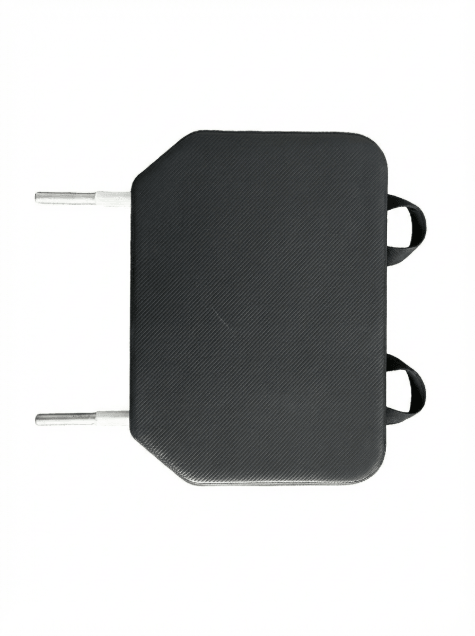
Tier 3 — cosmetic and comfort. Upholstery, foam, footbar pads, shoulder blocks, end caps. Plan these as an annual project, not an emergency purchase.
| Part | Realistic life in a busy studio | Failure symptom | Stock for 6 machines | Indicative price |
|---|---|---|---|---|
| Springs, matched set | 2 years or ~3,000 hours | Uneven resistance, springs of different age on one machine | 2 full sets | €120–250 per set |
| Ropes and handles | 1–2 years | Fraying near the eyelet, slipping in the hand | 2 pairs | €40–120 |
| Foot straps | 1–2 years | Stretched, hardened, buckle slip | 4 | €15–40 each |
| Carriage wheels | 3–6 years | Flat spots, rumbling, carriage drift | 1 set | €120–300 |
| Bearings | 3–6 years | Grinding, play in the wheel | 1 set | €60–180 |
| Pulleys and eyelets | 5–8 years | Rope jump, squeal, groove worn into the sheave | 2 | €25–70 each |
| Upholstery and foam | 5–10 years daily use | Cracking vinyl, compressed padding, torn seams | 0 — batch order | €200–450 per machine |
| Footbar pad and shoulder blocks | 5–8 years | Glazed or split surface | 1 each | €30–90 |
The life figures are not ours. Merrithew recommends replacing springs every two years in commercial settings; Align-Pilates warrants springs for 3,000 hours or two years and notes roughly 5% tension loss per 1,500 hours of use; Gratz Pilates puts marine-grade vinyl at 5 to 15 years, with high-volume rooms at the bottom of that range. The price bands are indicative European figures for a mid-market commercial machine and move with the model.
Springs are the only part where “replace early” is cheaper
Every other part can be run to failure. Springs should not be, for two reasons.
The first is safety-adjacent: a spring that has lost 10% of its rate changes the exercise the client feels, and studios rarely recalibrate against a number, so a tired set quietly makes every class slightly easier. The second is commercial. Classes are sold as a known resistance — three springs red, one blue — and if the resistance drifts, the product drifts with it.
Replace the whole set, never the broken one. A new spring next to three old springs produces uneven pull across the carriage, which is exactly the inconsistency your instructors spend their day correcting.
The practical rule: match the replacement cycle to the calendar, not to the symptom. If a machine does 25 classes a week at 55 minutes, that is around 1,200 hours a year, so a two-year cycle is right. If it does 12 classes a week, stretch to three. Write the swap date on the spring bar with a paint pen; nobody remembers.
The shelf math
Studios resist holding stock because it ties up cash. Run the numbers on a six-machine room and the objection usually disappears.
A spring set that fails on a Saturday morning costs you one machine for two or three days if you order on demand. At 25 classes a week and four clients per class, that machine generates roughly €350 to €600 a week in a mid-priced European studio — call it €60 to €120 a day of lost revenue, plus the awkward conversation with the four clients who booked it.
Two spare spring sets cost €240 to €500 and sit on a shelf for two years. One prevented weekend of downtime pays for half of them.
- Springs and ropes: stock, always.
- Wheels and bearings: stock one set per room.
- Upholstery: do not stock, but budget annually.
- Model-specific castings: do not stock, but confirm availability before you buy the machine.
That last point is the one that costs people money. A spring is a spring on almost any reformer. A cast footbar cam, a proprietary spring bar, a specific wheel profile is not. If you buy a discontinued model, or a model from a supplier who does not hold wear parts, your parts stock becomes the only parts stock in existence — and when it runs out, the machine is scrap regardless of how good the frame is.
Compatibility, written down
Before the machine is a year old, do this: photograph the serial plate, measure the springs (free length, wire diameter, hook type, and the number of coils), and note the wheel diameter and bearing size. Put it in a document with the purchase invoice.
When you order parts two years later, that document is the difference between a two-line email and a week of photographs. Spring specifications in particular vary more than buyers expect — a set from one manufacturer will often fit another’s frame and will not behave the same way, because the wire, the heat treatment and the initial tension are all different. Springs from a different brand on the same machine are a resistance mismatch waiting to be blamed on your instructors.
If you are buying parts for a mixed fleet, keep them separated and labelled by machine. A studio with four K30s and two older machines will eventually fit the wrong spring set, and nobody will notice until a client says the machine feels heavy.
Order the kit with the machines
The cheapest moment to buy spare parts is the same purchase order as the machines. Three reasons, and the third is the one people forget.
- The parts ship inside the same crate, so freight is effectively free.
- They land on the same customs entry, so there is no second clearance fee.
- You buy them at the price you negotiated for the fleet, not the list price two years later.
Ask for a starter kit as a line item when you request the quotation: two spring sets, two rope-and-handle sets, four foot straps, one wheel and bearing set, two pulleys, one footbar pad. On a six-machine order that is typically €400 to €700 and it removes the most common cause of unplanned downtime in the first two years.
For studios outside the EU this is not optional. A €40 bearing that becomes a customs declaration with a broker fee is no longer a €40 bearing, and a seven-day courier delay turns a small failure into a lost weekend. Our guide to importing a reformer into Serbia, Bosnia, Montenegro and Albania covers the border mechanics in detail.
Storage: springs are not immortal either
A spare part degrades on the shelf, and springs degrade fastest. Store them lightly extended, not compressed and not coiled in a box, away from humidity and away from the cleaning chemicals that live in most studio cupboards. A spring that has spent two years compressed in a drawer will behave differently from one that has spent two years hanging.
Vinyl and foam are the opposite problem: heat and sunlight destroy them before use. Keep upholstery flat, out of direct sun, and do not stack anything on top.
Simple rules, rarely followed:
- Springs: hanging or lightly extended, dry, labelled with the purchase date.
- Vinyl: flat, cool, dark.
- Bearings and wheels: sealed bag, a drop of oil before fitting, not two years earlier.
- Ropes: coiled loosely, no knots.
Parts lead times, honestly
European manufacturers hold common parts, but not everything is common. Gratz Pilates publishes around ten days for most non-upholstered parts and up to three months for upholstered items — and that is a US maker with a deep catalogue. Smaller European brands are usually faster on springs and slower on anything cast or machined to order.
Which suggests a simple question for any supplier before you buy: what is the lead time for a spring set, a wheel set and a footbar pad, and do you hold them in stock or make them to order? A supplier who answers in one sentence has answered a second question too — whether they have thought about what happens after the sale.
FAQ
How many spare springs should a six-machine studio keep? Two full matched sets. That covers one machine failing today and one failing while the replacement is in transit, which is the realistic worst case in a busy room.
Can I fit springs from another brand? They may physically fit. They will not necessarily give the same resistance, and mixing brands across machines makes your class programming unpredictable. If you must substitute, change the whole set on that machine and note it.
How long can I store springs before they degrade? Several years if stored dry, uncompressed and out of sunlight. Degradation on the shelf is slow but real, so date the packaging and use the oldest first.
Should I reupholster or replace the machine? Reupholster, unless the rails are grooved or the frame is out of square. Upholstery at €200 to €450 per machine is a fraction of replacement, and it is the single biggest visual improvement you can make to an older fleet.
Do I need original parts for warranty? Usually yes for any claim on the affected component. Most manufacturers exclude damage caused by non-original parts, so keep the invoices.
What does a full parts refresh cost on a five-year-old machine? Around €700 to €1,300 for springs, ropes, wheels, bearings, pulleys, pads and reupholstery — which is the honest number to compare against a new machine, not the list price of the parts you happen to need this month.
A parts list is part of the machine
We build commercial reformers in Spain and ship them across Europe with the wear parts you will need in year two, not just the machine you need in week one. If you are specifying a room, the studio solutions page covers layout, quantities and the parts kit; the K30 and K38 premium pages carry the specifications. For a parts list against an existing fleet, tell us the model and the serial number through our contact page and we will price the kit rather than the individual items.
